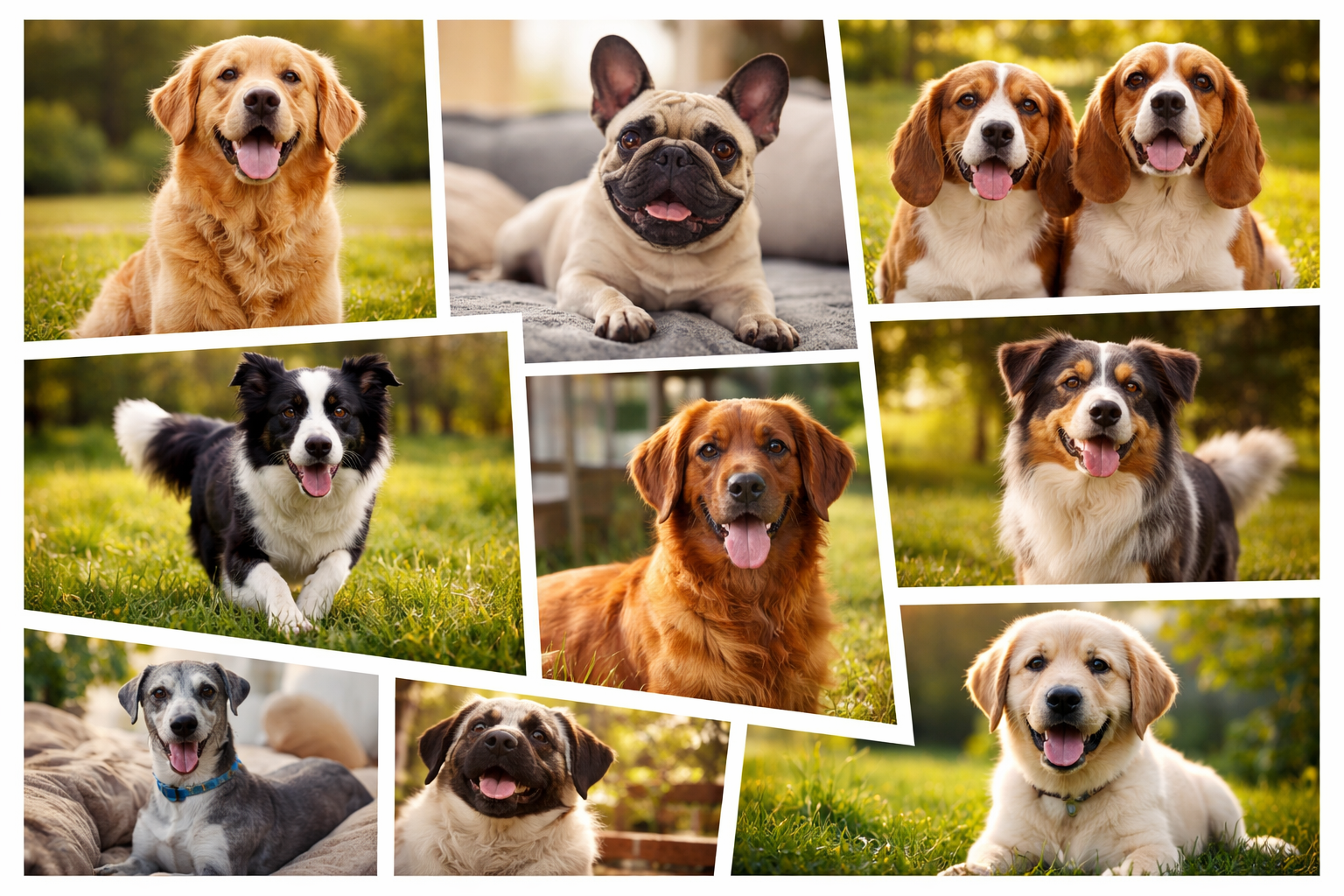
The best dog for you depends on your lifestyle, not what looks cute on Instagram. The wrong match leads to frustration, rehoming, or a miserable dog. The right match? That’s a 10-15 year friendship that actually fits your life.
Before you fall in love with a face, consider:
- Your living space and whether you have a yard
- How much daily exercise you can realistically provide
- Your work schedule and time at home
- Whether you have kids or other pets
- Your experience level with dogs
This guide will walk you through exactly how to choose a dog that matches your real life, not the life you imagine having.
Jump to your situation:
- I live in an apartment → best dogs for apartments
- I have kids → best dogs for families with kids
- I’m a first-time owner → best dogs for first-time dog owners
- I’m very active → best dogs for runners
- I’m busy → best dogs for busy people
- I want an easy dog → best low-maintenance dogs
- I have allergies → best dogs for people with allergies
Quick Answer: What Dog Is Right for Me?
The right dog depends on your lifestyle, including your living space, activity level, experience, and time commitment. Active people do best with high-energy breeds like Border Collies or Australian Shepherds, while busy or apartment dwellers may need low-maintenance dogs like Cavalier King Charles Spaniels or French Bulldogs. First-time owners should consider easier breeds like Golden Retrievers or Poodles, while experienced handlers can manage more challenging breeds like Belgian Malinois or Huskies.
Best Beginner-Friendly Dog Breeds
Also, for more specifics check out our post on Best Dogs For First-Time Owners.
Golden Retriever
Happy to Be Here

Learn about the Golden Retriever →
Labrador Retriever
America's favorite fetch-obsessed family dog.

Learn about the Labrador Retriever →
Cavalier King Charles Spaniel
Velcro, But Make It Royal

Learn about the Cavalier King Charles Spaniel →
Poodle
Elegance Meets Brains

Learn about the Poodle →
Papillon
Small Dog, Big Brain

Learn about the Papillon →
Bichon Frise
Cushion with a Personality

Learn about the Bichon Frise →
How to Choose the Right Dog
Choosing the right dog isn’t about finding the cutest puppy. It’s about matching a dog’s needs with what you can actually provide. Here are the five most important factors to consider:
Your Living Situation
Where you live dramatically impacts which dogs will thrive in your home.
Apartment Living: If you live in an apartment, you need a dog that’s comfortable in smaller spaces, doesn’t bark excessively, and doesn’t require a yard for bathroom breaks. Size isn’t everything. A calm Great Dane can be a better apartment dog than a yappy Jack Russell Terrier.
Good apartment dogs tend to be:
- Lower energy or moderate energy
- Less vocal
- Comfortable with stairs or elevators
- Adaptable to indoor exercise
Examples:
- French Bulldog (View profile →) — The Frenchie is a total charmer—low-energy, big-hearted, and irresistibly quirky.
- Cavalier King Charles Spaniel (View profile →) — Sweet, gentle, and completely devoted, the Cavalier is here for love, snuggles, and your lap.
- Basset Hound (View profile →) — The Basset Hound is a comical couch potato with a detective’s nose and a stubborn streak.
- Greyhound (View profile →) — Elegant and affectionate, Greyhounds are equal parts athlete and snuggler—zipping in the yard, napping on the couch.
- Shih Tzu (View profile →) — The Shih Tzu is a silky little snuggler with a long history of palace life and a very short list of things it cares about more than your lap.
House with Yard: A fenced yard opens up your options significantly. You can handle higher-energy dogs, larger breeds, and dogs with stronger guarding instincts. Just remember that a yard doesn’t replace walks. No dog exercises themselves.
📎 See the best dogs for apartments
Your Activity Level
Be brutally honest here. How active are you actually, not how active you want to be?
High Activity (Runners, Hikers, Outdoor Enthusiasts): If you run daily, hike on weekends, or spend hours outdoors, you can handle high-energy working breeds. These dogs need jobs. Without sufficient exercise and mental stimulation, they become destructive.
Best for active lifestyles:
Border Collie
Brains on Paws

Learn about the Border Collie →
Australian Shepherd
Can’t Stop, Won’t Stop

Learn about the Australian Shepherd →
German Shorthaired Pointer
Born to Run (and Retrieve)
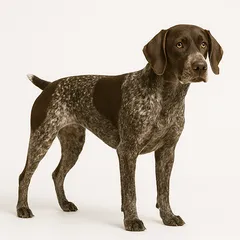
Learn about the German Shorthaired Pointer →
Other dogs to consider:
Labrador Retriever
Lovable, loyal, and endlessly eager to please, the Labrador Retriever is the ultimate all-around companion.
View breed →
Vizsla
Vizslas are gorgeous, go-go-go companions with big hearts and even bigger energy.
View breed →
Belgian Malinois
The Belgian Malinois is a precision tool—not a family pet. Fast, focused, and fiercely loyal.
View breed →Check out our guide to the best dogs for runners if this sounds like you.
Moderate Activity (Daily Walks, Weekend Activities): Most people fall here. You’ll walk your dog daily, maybe play fetch, but you’re not training for marathons.
Good moderate-energy dogs:

Cocker Spaniel
Cockers are cuddly companions with big eyes, soft ears, and hearts full of sunshine.
View breed →
Brittany
Brittanys are field-ready bundles of joy—fast, focused, and full of heart.
View breed →Poodle
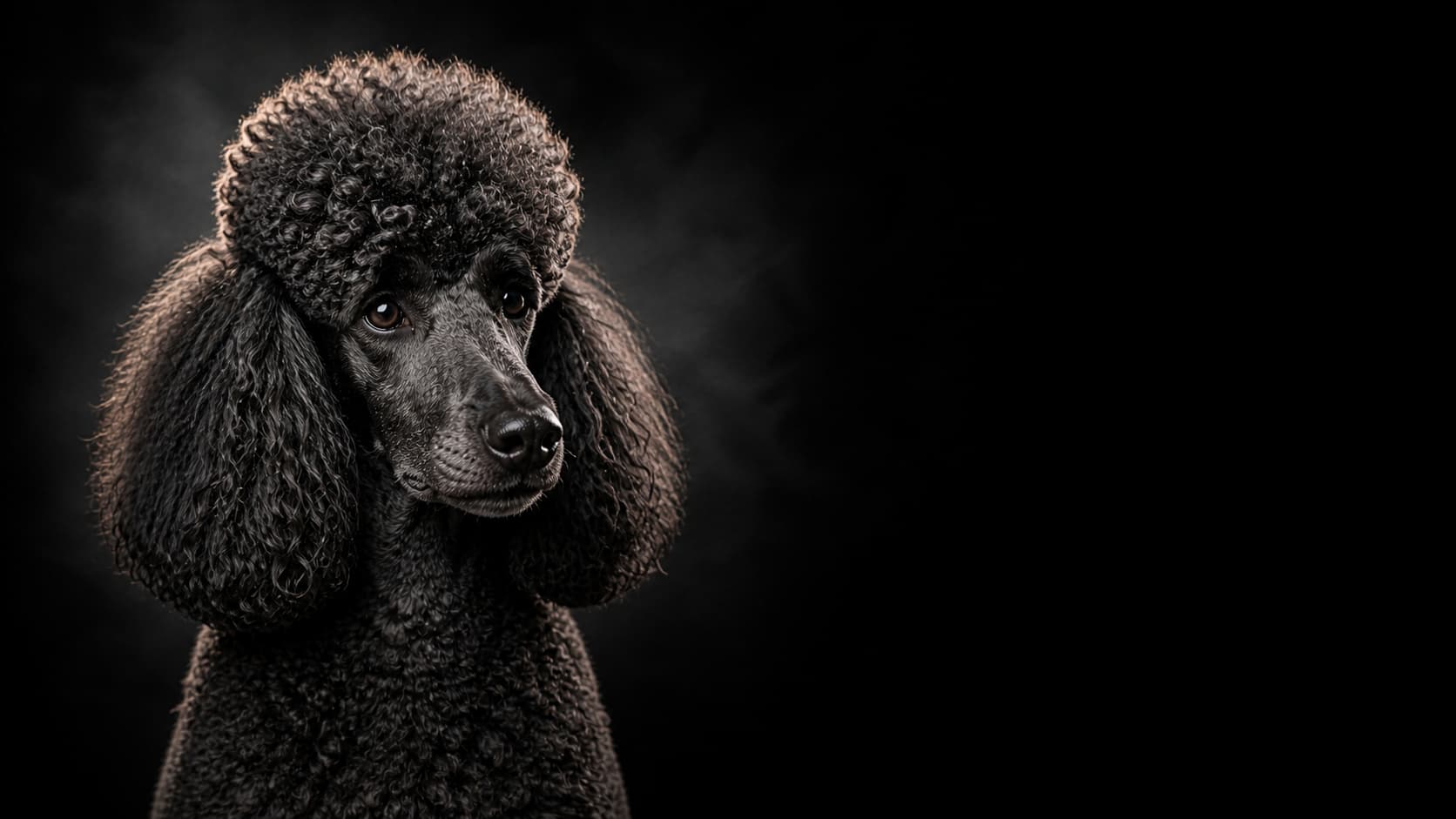
Poodles are the perfect blend of beauty and brains. They’re sensitive, clever, and eager to engage with their people in everything from games to cuddles.
View breed →Low Activity (Shorter Walks, Mostly Indoor Time): Nothing wrong with being honest about this. Some dogs are perfectly happy with short walks and indoor play.
Low-energy breeds:

Bulldog
The Bulldog is a lovable loaf: low-key, affectionate, and full of grumbly charm.
View breed →
Basset Hound
The Basset Hound is a comical couch potato with a detective’s nose and a stubborn streak.
View breed →
Pug
Pugs are affectionate goofballs who live for snacks, snorts, and snuggles.
View breed →Our best low-maintenance dogs guide covers these breeds in detail.
Your Time Availability
How much time can you dedicate to a dog each day? And be honest, your schedule won’t magically open up after you get a puppy.
Limited Time (Full-Time Job, Busy Schedule): If you work full-time or travel frequently, you need an independent, lower-maintenance breed. This doesn’t mean the dog doesn’t need attention. It means they can handle alone time better and don’t require constant interaction.
Dogs for busy people:
Basset Hound
The Basset Hound is a comical couch potato with a detective’s nose and a stubborn streak.
View breed →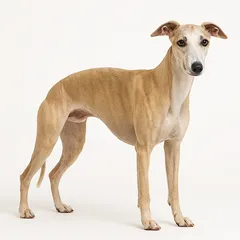
Whippet
Whippets are sensitive sprinters who nap like pros and run like poetry.
View breed →
Shiba Inu
Shibas are clean, clever, and aloof little escape artists with major main character energy.
View breed →These breeds typically need less grooming, less intense exercise, and handle solitude better than velcro breeds.
Read our complete guide on the best dogs for busy people.
Flexible Time (Work from Home, Retired, Part-Time): With more time at home, you can handle breeds that need more attention, training, or companionship.
Time-intensive breeds that are worth it:
- Poodles (require regular grooming)
- Golden Retrievers (want to be involved in everything)
- German Shepherds (need training and socialization)
- Border Collies (need mental stimulation constantly)
Your Family Situation
Who else lives in your home? This matters enormously.
Families with Young Children: You need patient, sturdy dogs that tolerate noise, grabbing, and chaos. Avoid tiny, fragile breeds and dogs with low tolerance for handling.
Best family dogs:
- Golden Retrievers
- Labrador Retrievers
- Beagles
- Boxers
- Cavalier King Charles Spaniels
- Collies
These breeds are known for patience, gentle mouths, and tolerance for children’s unpredictable behavior.
Our guide to the best dogs for families with kids breaks down which breeds work best at different ages.
Homes with Other Pets: If you have cats or other dogs, you need a breed with lower prey drive and good social skills.
Good multi-pet households:
- Golden Retrievers
- Cavalier King Charles Spaniels
- Basset Hounds
- Beagles
- Poodles
Avoid terriers (high prey drive) and some herding breeds that may try to herd cats.
Singles or Couples: You have more flexibility. You can handle breeds that bond closely with one person, need more training, or have protective instincts.
Your Experience Level
First dog? Or have you raised dogs before? This determines which breeds you should consider.
First-Time Dog Owners: You want a forgiving, eager-to-please breed that doesn’t require expert handling. Avoid stubborn, independent, or protective breeds for your first dog.
Best dogs for beginners:
Bichon Frise
Cushion with a Personality
Learn about the Bichon Frise →
Papillon
Small Dog, Big Brain
Learn about the Papillon →
Miniature Poodle
Brains, Bounce, and Balance
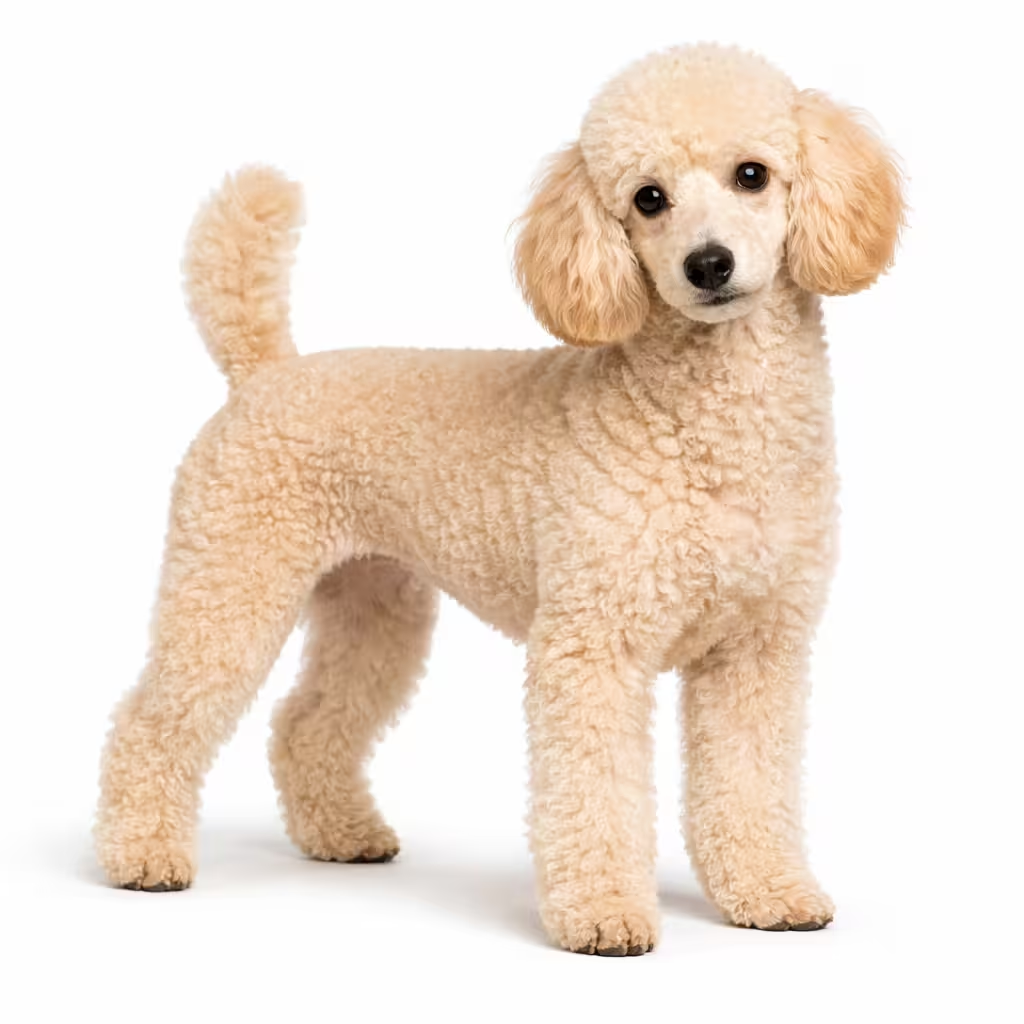
Learn about the Miniature Poodle →
Other good beginner dogs include:
- Golden Retrievers
- Labrador Retrievers
- Cavalier King Charles Spaniels
These breeds are trainable, adaptable, and generally want to make you happy.
See our detailed guide on the best dogs for first-time owners.
Experienced Dog Owners: If you’ve successfully trained dogs before, you can handle more challenging breeds. These might be stubborn, protective, high-energy, or require firm leadership.
Dogs for experienced handlers:
Belgian Malinois
The Belgian Malinois is a precision tool—not a family pet. Fast, focused, and fiercely loyal.
View breed →
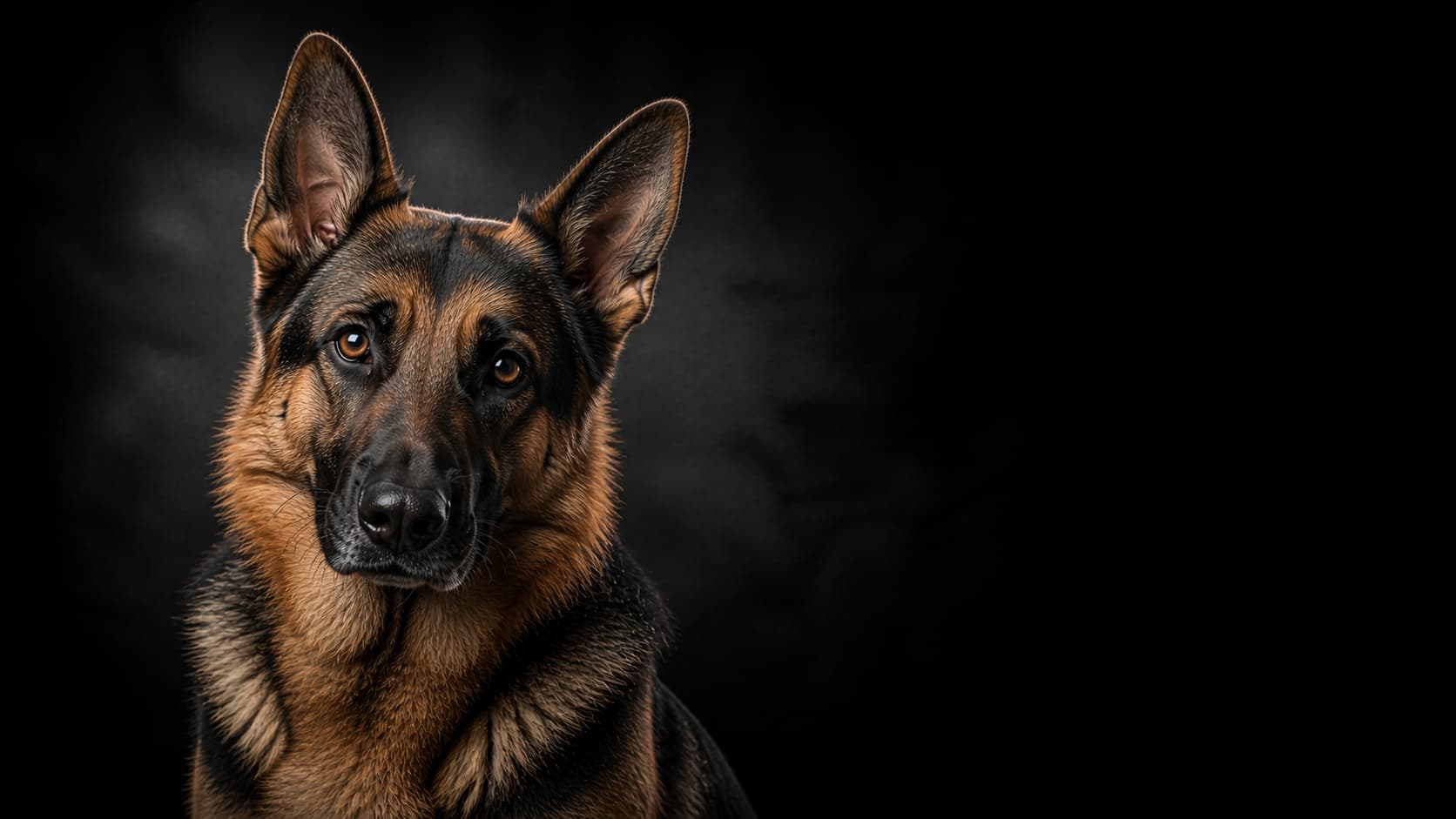
German Shepherd Dog
Smart, steadfast, and always on duty—the German Shepherd Dog is a natural protector with a heart full of loyalty.
View breed →
Rottweiler
Rottweilers are stoic, loyal guardians with a deep devotion to their people—and a soft side they only show to those they trust.
View breed →
Siberian Husky
Beautiful, bold, and built for action—Huskies are as dramatic as they are athletic.
View breed →
Akita
Akitas are noble guardians with deep devotion and a quiet, watchful presence. They're not for everyone—but unforgettable to the few they choose.
View breed →
Australian Cattle Dog
Australian Cattle Dogs are tough, tireless, and whip-smart—born to herd, hike, and hustle.
View breed →These breeds are incredible in the right hands but can be nightmares for inexperienced owners.
Best Dogs Based on Your Lifestyle
Let’s make this practical. Find the scenario that matches your life, and we’ll point you to the right breeds.
If You Live in an Apartment…
You need dogs comfortable in smaller spaces who won’t drive your neighbors crazy with barking.
Top apartment breeds:
- French Bulldog: Quiet, low-energy, minimal exercise needs
- Cavalier King Charles Spaniel: Adaptable, friendly, moderate energy
- Greyhound: Surprisingly lazy, quiet, loves to lounge
- Shih Tzu: Small, adaptable, bred for indoor companionship
- Boston Terrier: Compact, friendly, moderate energy
Avoid: Huskies, Beagles (vocal), most terriers, and high-energy herding breeds.
Get detailed apartment recommendations in our best dogs for apartments guide.
If You’re Very Active…
You run, hike, bike, or spend significant time outdoors and want a companion who can keep up.
Top active lifestyle breeds:
- Border Collie: Endless energy, needs mental and physical work
- Australian Shepherd: Athletic, intelligent, loves having a job
- Vizsla: Velcro dog, runs for miles, extremely affectionate
- Labrador Retriever: Versatile athlete, loves water and retrieving
- German Shorthaired Pointer: Built for endurance, needs lots of exercise
These dogs will become destructive without sufficient outlets. A tired working breed is a happy working breed.
Check out the best dogs for runners for more active breed options.
If You Have Kids…
You need patient, tolerant dogs that can handle noise, unpredictability, and the occasional tail pull.
Top family-friendly breeds:
- Golden Retriever: Patient, gentle, naturally good with children
- Labrador Retriever: Playful, tolerant, sturdy enough for roughhousing
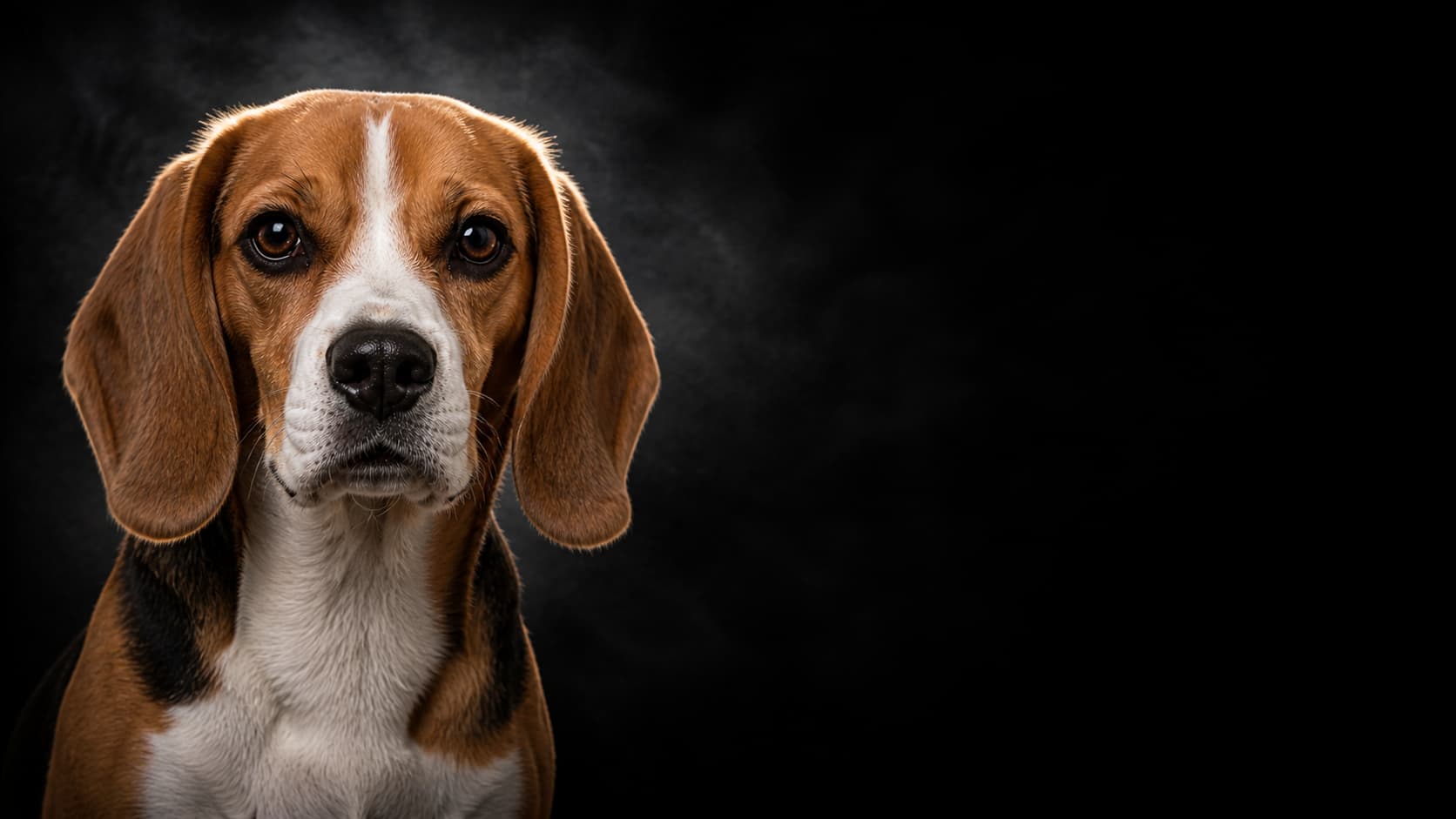
- Beagle: Friendly, sturdy, playful, loves being part of the pack
- Boxer: Protective but gentle with family, patient with kids
- Collie: Naturally gentle, protective, excellent with children
Avoid: Small fragile breeds, dogs with low tolerance for handling, and overly protective breeds.
Read our complete guide to the best dogs for families with kids.
If You’re Busy…
You work full-time and need a dog that can handle alone time without destroying your house.
Top breeds for busy owners:
- Basset Hound: Low energy, independent, sleeps most of the day
- French Bulldog: Doesn’t need much exercise, happy to lounge
- Greyhound: Couch potato despite their racing background
- Shiba Inu: Very independent, cat-like, handles alone time well
- Whippet: Quiet, low-maintenance, content with short bursts of exercise
These breeds won’t fall apart if you work 8-hour days, but they still need daily attention.
See our full breakdown in the best dogs for busy people guide.
If You Want an Easy Dog…
You want minimal grooming, easy training, and a dog that fits into your life without drama.
Easiest dog breeds:
- Labrador Retriever: Trainable, adaptable, low-maintenance coat
- Cavalier King Charles Spaniel: Eager to please, adaptable, moderate grooming
- Greyhound: Minimal grooming, low energy, quiet
- Boston Terrier: Short coat, moderate energy, friendly
- Pug: Low exercise needs, friendly, compact
Easy doesn’t mean no work. All dogs need training, socialization, and daily care.
Our best low-maintenance dogs guide has complete care breakdowns.
Quick Dog Match Guide
Use this simple decision tree to narrow down your options:
Do you live in an apartment or small space? → Yes: Consider French Bulldogs, Cavaliers, Greyhounds, or Shih Tzus. See best dogs for apartments. → No: Continue below.
Are you highly active (running, hiking regularly)? → Yes: Consider Border Collies, Australian Shepherds, Vizslas, or Labs. See best dogs for runners. → No: Continue below.
Do you have young children? → Yes: Consider Golden Retrievers, Labs, Beagles, or Boxers. See best dogs for families with kids. → No: Continue below.
Is this your first dog? → Yes: Consider Golden Retrievers, Labs, Cavaliers, or Poodles. See best dogs for first-time owners. → No: Continue below.
Do you work full-time with limited time at home? → Yes: Consider Basset Hounds, French Bulldogs, Greyhounds, or Whippets. See best dogs for busy people. → No: You have flexibility to choose based on personal preference.
Do you have allergies? → Yes: Consider Poodles, Portuguese Water Dogs, or Schnauzers. See best dogs for people with allergies.
Common Scenarios (Quick Matches)
If you’re a young professional in an apartment → French Bulldog, Cavalier King Charles Spaniel, Greyhound
If you’re a family with kids and a yard → Golden Retriever, Labrador Retriever, Beagle
If you want a calm, low-energy companion → Cavalier King Charles Spaniel, Bulldog, Greyhound
If you’re very active and outdoors often → Border Collie, Australian Shepherd, Vizsla
Popular Dog Breeds for Different Lifestyles
Here are some of the most popular breeds and who they’re best suited for:
Golden Retriever Perfect for: Families, first-time owners, active households Why they work: Golden Retrievers are the jack-of-all-trades dog. They’re patient with kids, easy to train, and adaptable to most living situations. They need daily exercise but aren’t neurotic about it. Their main downside is shedding and a tendency toward health issues.
Labrador Retriever Perfect for: Active families, first-time owners, people who want a versatile dog Why they work: Labs are America’s most popular breed for a reason. They’re friendly, outgoing, trainable, and love nearly everyone. They need more exercise than people expect and can be mouthy as puppies, but they mature into excellent companions.
Cavalier King Charles Spaniel Perfect for: Apartments, seniors, people who want an affectionate companion Why they work: Cavaliers are adaptable, affectionate, and want nothing more than to be near you. They’re small enough for apartments but sturdy enough for families. They do require regular grooming and can have heart issues, but temperament-wise, they’re nearly perfect.
French Bulldog Perfect for: Apartments, busy people, those who want a low-exercise dog Why they work: Frenchies are compact, quiet, and don’t need much exercise. They’re playful but not hyperactive, making them ideal for smaller spaces. Be aware of breathing issues in hot weather and their higher price tag.
Border Collie Perfect for: Very active people, experienced owners, those who want a dog sport partner Why they work: Border Collies are the smartest breed, period. They excel at everything from agility to herding to obedience. But that intelligence needs an outlet. Without sufficient mental and physical stimulation, they become obsessive and destructive. Not for first-timers.
Poodle (Standard or Miniature) Perfect for: People with allergies, those who want an intelligent dog, varied activity levels Why they work: Poodles are wickedly smart, trainable, and don’t shed. They come in three sizes, so you can pick based on your space. They do require regular professional grooming, which is an ongoing expense. But personality-wise, they’re excellent family dogs.
Beagle Perfect for: Families with kids, people who want a playful dog, those with other pets Why they work: Beagles are sturdy, friendly, and generally great with everyone. They’re pack dogs, so they do well in family environments. The downside? They’re vocal, can be stubborn, and will follow their nose into trouble if not supervised.
German Shepherd Perfect for: Experienced owners, active households, those who want a protective dog Why they work: German Shepherds are loyal, intelligent, and incredibly versatile. They excel as family protectors, working dogs, and companions. But they need consistent training, socialization, and daily exercise. Not recommended for first-time owners due to their protective instincts and training needs.
Mistakes People Make When Choosing a Dog
Avoid these common mistakes that lead to bad matches and unhappy dogs:
Choosing Based on Looks Alone
That Husky puppy looks adorable. But do you know they need hours of exercise daily, will destroy your house if bored, and are nearly impossible to recall off-leash? Falling for a cute face without researching the breed’s needs is the number one reason dogs end up in shelters.
Underestimating Energy Levels
“How much exercise could a dog really need?” More than you think. A Border Collie or Belgian Malinois needs 2-3 hours of intense physical and mental exercise daily. A quick walk around the block won’t cut it. Mismatched energy levels create frustrated owners and destructive dogs.
Ignoring Time Commitment
Puppies need constant supervision, potty training, and socialization. Some breeds require professional grooming every 6-8 weeks. Training classes take time. Vet appointments happen. If you barely have time for yourself, getting a high-maintenance breed will make you miserable.
Thinking Size Equals Energy
Great Danes are lazy. Jack Russell Terriers are maniacs. Size doesn’t predict energy levels. Some small dogs need more exercise than large breeds. Don’t assume a small dog automatically fits apartment living or that a big dog needs a huge yard.
Not Considering Grooming Needs
Poodles, Doodles, and many terriers require professional grooming every 6-8 weeks. That’s $50-$100 per appointment, plus brushing at home several times per week. If you’re not prepared for that commitment (time and money), choose a low-maintenance coat like a Labrador or Beagle.
Skipping the Breed Research
Every breed was created for a purpose. Terriers dig and chase. Hounds follow scents and bay. Herding dogs nip at heels. You can’t train away genetics. Research what a breed was designed to do, because those instincts will show up in your living room.
Assuming Any Dog Will Adapt
Dogs are adaptable, but they’re not infinitely flexible. A livestock guardian breed won’t be happy in a studio apartment. A Greyhound won’t make a great running partner for marathons. Choose a dog whose natural tendencies match your lifestyle, not one you’ll have to constantly fight against.
What You’ll Need Once You Choose a Dog
We’ve broken down exactly what to buy (and what to skip) in our puppy supplies guide →
Once you’ve found your match, you’ll need to prepare your home. Here’s what every new dog owner needs:
Essential Supplies
- Crate or confinement area for house training and safety
- Food and water bowls (stainless steel or ceramic work best)
- High-quality dog food appropriate for their age and size
- Collar, leash, and ID tag
- Comfortable bed or sleeping area
- Age-appropriate toys for mental stimulation
Training Tools
- Treats for positive reinforcement training
- Clicker if you’re using clicker training
- Long line for recall training
- Possibly baby gates for managing access to rooms
Grooming Supplies
- Brush appropriate for their coat type
- Dog shampoo
- Nail clippers or grinder
- Toothbrush and dog toothpaste
Health and Safety
- Vet appointment scheduled for initial checkup
- Flea, tick, and heartworm prevention
- First aid kit
- Pet insurance (consider enrolling while they’re young)