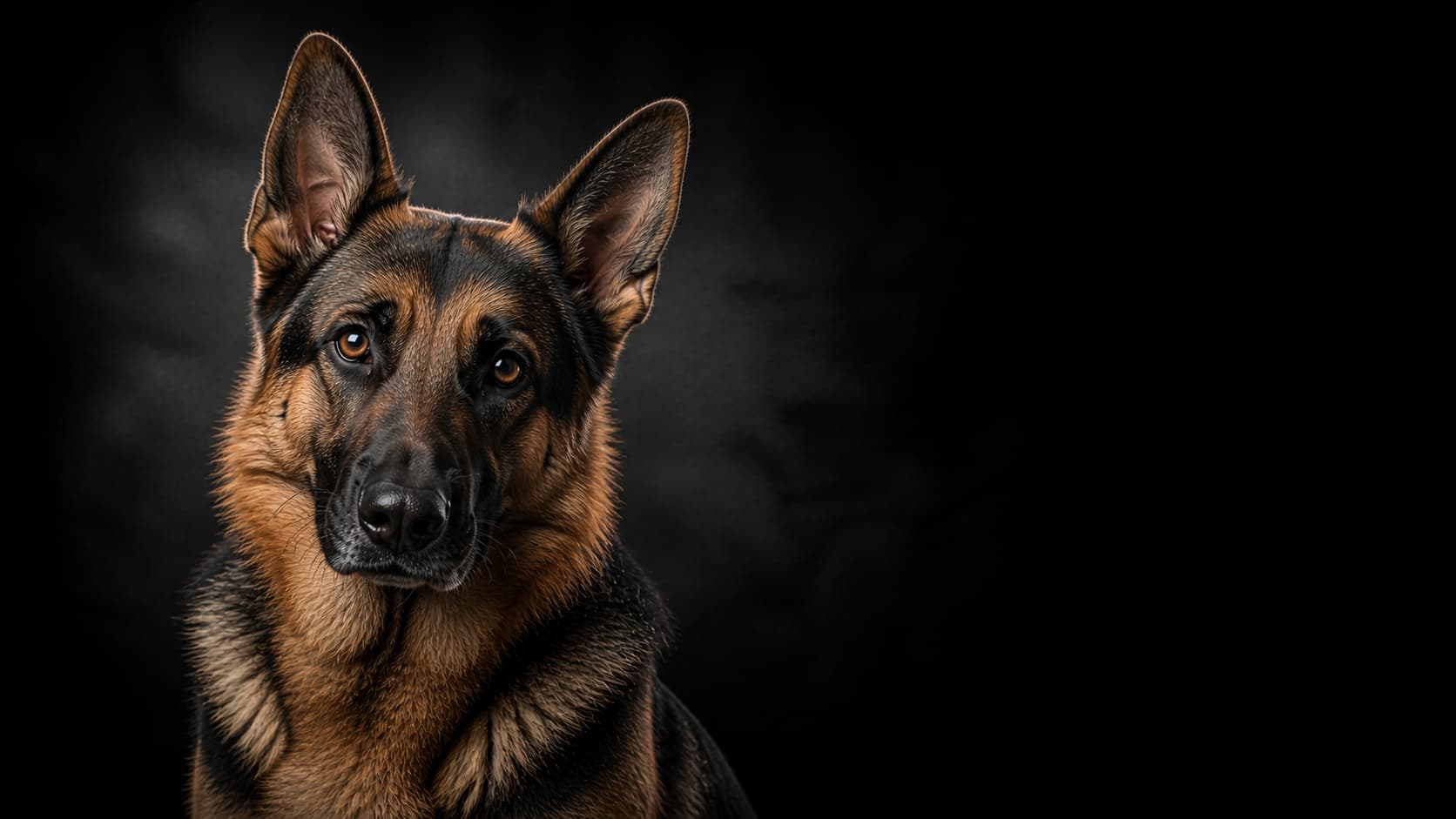
Akita
The Strong, Silent Type
Akitas are noble guardians with deep devotion and a quiet, watchful presence. They're not for everyone—but unforgettable to the few they choose.

Breed traits at a glance
They’re not hyper, but they do need a daily outlet. A structured walk, some yard patrols, and mental stimulation go a long way. Don’t mistake their calm for laziness—they’re always alert.
Smart but strong-willed. They respond best to calm, consistent training—not repetition or force.
Akitas are generally one-person dogs. They can coexist with families, but they prefer a quieter, more respectful household without a lot of chaos.
That plush double coat is beautiful—and it sheds. Weekly brushing is essential, and expect blowouts during seasonal changes.
Quiet. Almost eerily so. When an Akita barks, there’s a reason.
Not ideal for allergy sufferers—thick coat and regular shedding.
Temperament & Personality
The Akita (also known as the Akita Inu or Akita Ken) originated in Japan and is named after the Akita Prefecture. “Inu” simply means “dog” in Japanese.
One of the oldest and most revered Japanese breeds, the Akita was historically used for hunting and guarding. These dogs are large and powerful—males typically weigh between 34–54 kg and stand 64–70 cm at the shoulder. Akitas are known for being quiet, loyal, and clean—often described as having a cat-like demeanor.
Average lifespan is around 10 years.
Are Akitas good with kids? They can be with their own family, but they’re not naturally social and require supervision.
Do Akitas bark a lot? No — they’re typically quiet.****
Are Akitas aggressive? They can be territorial and dominant, especially with other animals. Training is non-negotiable.
What It's Like To Own One
Living with an Akita is like having a silent guardian whose loyalty runs deeper than words. They don’t follow commands to impress—they do it because they’ve decided you matter. Independent and intensely perceptive, Akitas seem to feel your moods before you speak them, offering quiet companionship in place of noisy affection.
They’re not here for constant activity or goofy games. This breed prefers calm over chaos, presence over praise. They may seem aloof to outsiders, but to their chosen people? They are unwavering. Once an Akita bonds with you, that bond is sacred. They’ll watch over you, protect your space, and lie at your feet with quiet dignity.
This isn’t a breed for beginners—or for homes that want a people-pleaser. But for experienced owners who value mutual respect, emotional intelligence, and deep devotion, living with an Akita is like sharing your life with a guardian spirit. You’ll never have to wonder where they stand. They’re already standing between you and anything that could ever hurt you.
How much do Akita's cost? Akitas are a serious commitment — both financially and behaviorally.
- Breeder price: typically $1,500–$4,000+
- Food costs: high (large, dense breed)
- Training costs: high (independent, dominant tendencies)
- Vet risk: large-breed and genetic issues can add up
Akitas are not naturally social or easygoing. They require experienced handling, strong boundaries, and consistent training.
👉 This is not a beginner-friendly dog.
👉 It’s a high-control, high-responsibility breed that doesn’t tolerate mistakes well.
**How Big Do Akitas Get? **Males: 100–130 lbs, females: 70–100 lbs. Large, heavy, and powerful.
I am:Ken Watanabe
Elegant, grounded, quietly intense, and commands respect without saying much.
Fictional Owners
Characters who'd thrive with this breed.
Clarice Starling (The Silence of the Lambs)
She’s composed, perceptive, and brave—and knows how to hold space for complexity.
Jon Snow (Game of Thrones)
Loyal, watchful, and quietly powerful, with a code of honor that defines him.
Carol Danvers / Captain Marvel
Fierce, independent, and will protect what she loves with everything she’s got.
Dating Profile
Looking for a partner, not a pushover. I don’t do drama or small talk—but I’ll stand beside you through anything. I’m independent, discerning, and emotionally intuitive. If you value loyalty, quiet strength, and the kind of presence that doesn’t need constant affirmation, we might just click. I don’t trust easily, but when I do, it’s for life. If you understand space, boundaries, and the beauty of a long, silent walk together—we’ll get along just fine.
Where They Want To Live
Akitas do best in calm, structured environments where they can relax, observe, and feel in control of their space. Suburban or rural homes are ideal—especially those with a securely fenced yard where they can stretch out and keep watch without constant stimulation. These dogs are territorial, private, and naturally protective, so a setting that supports those instincts without triggering them is key.
While apartment living can work, it requires a truly committed owner—someone who understands this breed’s exercise needs, emotional complexity, and desire for quiet routine. A high-traffic, high-noise urban lifestyle won’t suit them. What they need is a home that honors their independence, respects their role as a guardian, and gives them room to move without chaos. If they feel safe and grounded, they’ll reward you with loyalty that’s fierce, rare, and lifelong.
Things To Know
- Not a great choice for homes with other pets
- Early socialization is absolutely critical
- Doesn’t show love in big, obvious ways—but feels deeply
- Protective instincts can become problematic without guidance
- Seasonal shedding is serious business
Gear Guide
- Deshedding tools (and a vacuum you love)
- Structured training program with calm reinforcement
- High-quality food—Akitas thrive on balanced diets
- Secure crate or quiet den area to recharge
- No-pull harness for strong, composed walks
Health Watch: Common Breed Risks
Akitas are strong but prone to several breed-specific health conditions that require close monitoring:
- Hip dysplasia
- Progressive Retinal Atrophy (PRA)
- Hypothyroidism
- Autoimmune disorders (like VKH or SA)
- Gastric dilatation-volvulus (bloat)
- Sebaceous adenitis (skin condition)
- Immune-mediated diseases
Coat, Shedding & Grooming Needs
Do Akitas shed? Yes — heavily. Akitas have a dense double coat and shed year-round, with extreme shedding during seasonal coat blows (especially spring and fall)..
- Double coat with thick undercoat and coarse outer guard hairs
- Common colors: white, brindle, red, sesame, black, pinto
- Weekly brushing most of the year—daily during coat blow periods
- Bathing every 6–8 weeks helps control shedding and odor
Diet & Nutrition Needs
Feeding an Akita means balancing their large size with a need for clean, consistent nutrition:
- Choose a high-quality large-breed adult food with joint support
- Avoid overly rich or high-fat diets that may contribute to bloat
- Feed two meals daily—never one large meal—to lower bloat risk
- Keep treats simple and moderate; Akitas can be prone to weight gain
- Some Akitas do best on grain-inclusive diets to support skin health
Health Care Tips
Keeping an Akita healthy requires both physical and emotional attentiveness:
- Monitor for signs of bloat—avoid exercise immediately after meals
- Brush regularly to manage shedding and reduce skin issues
- Stay current on eye, thyroid, and hip screenings
- Provide mental stimulation and stable structure to reduce stress
- Avoid over-socializing with unfamiliar dogs—Akitas prefer clear boundaries
Related Breeds

Are Akitas good guard dogs? → YesCan they live with other pets? → Often noAre they easy to train? → No, very independentDo they need a lot of exercise? → ModerateAre they affectionate? → With their people