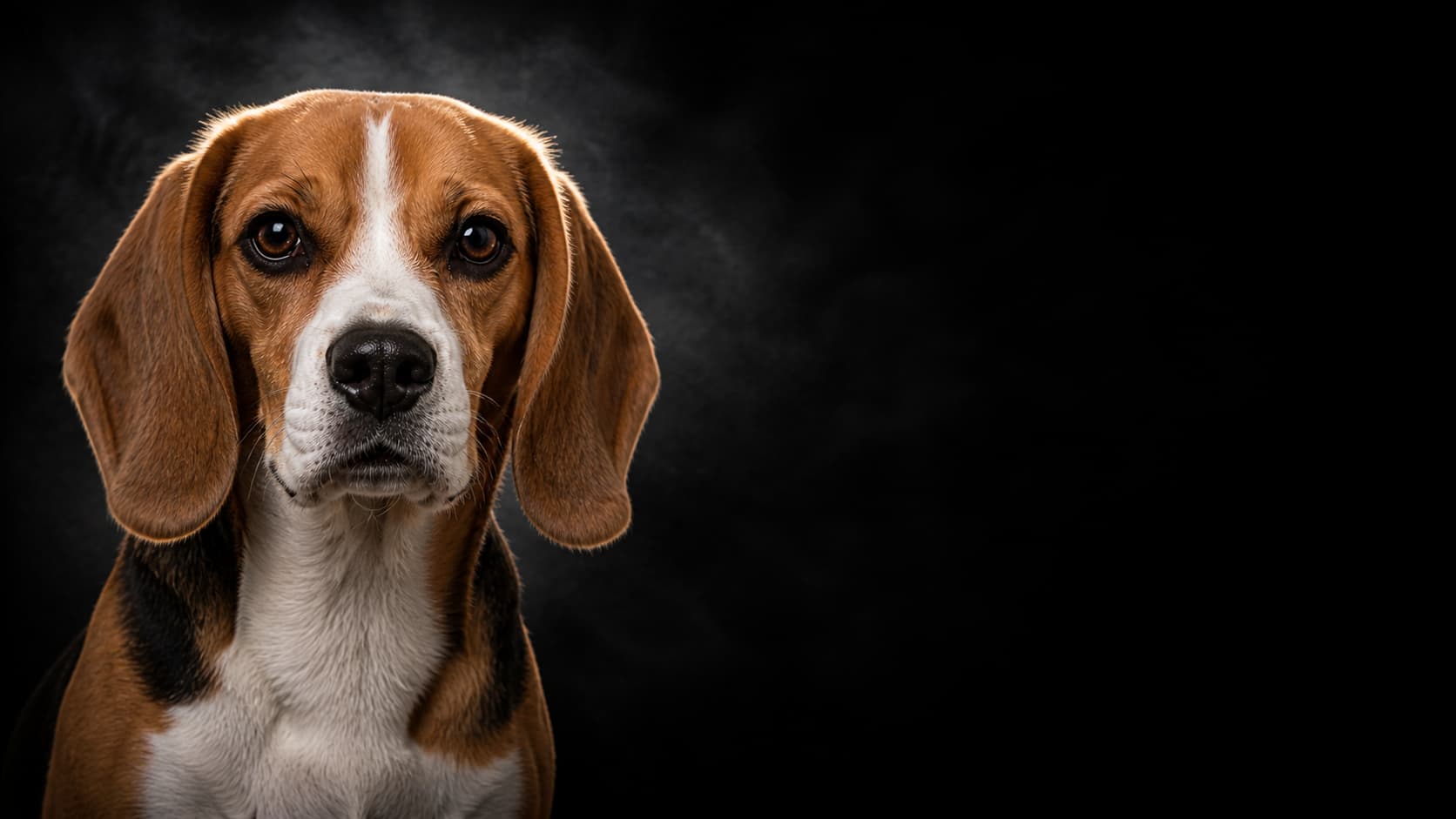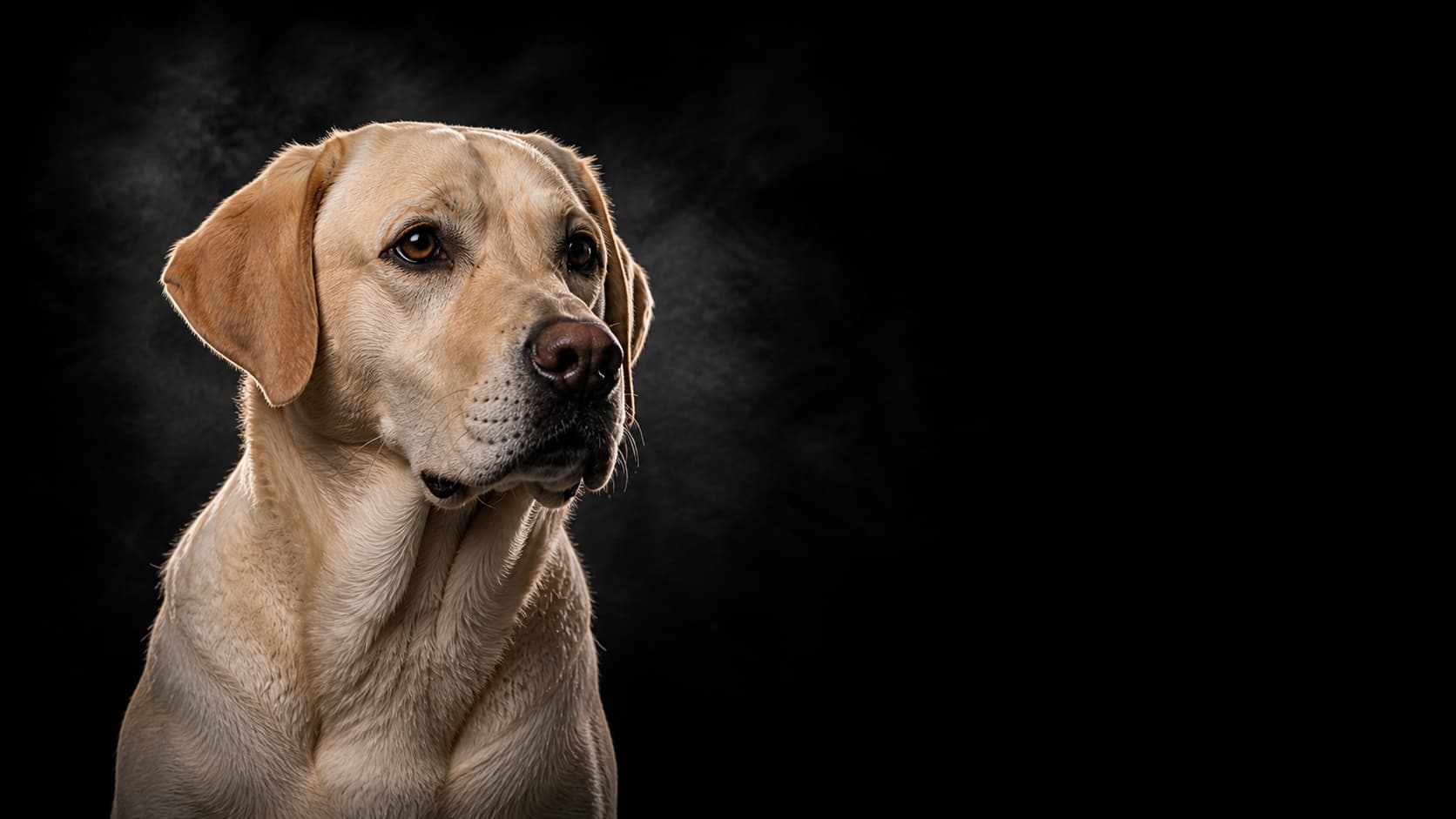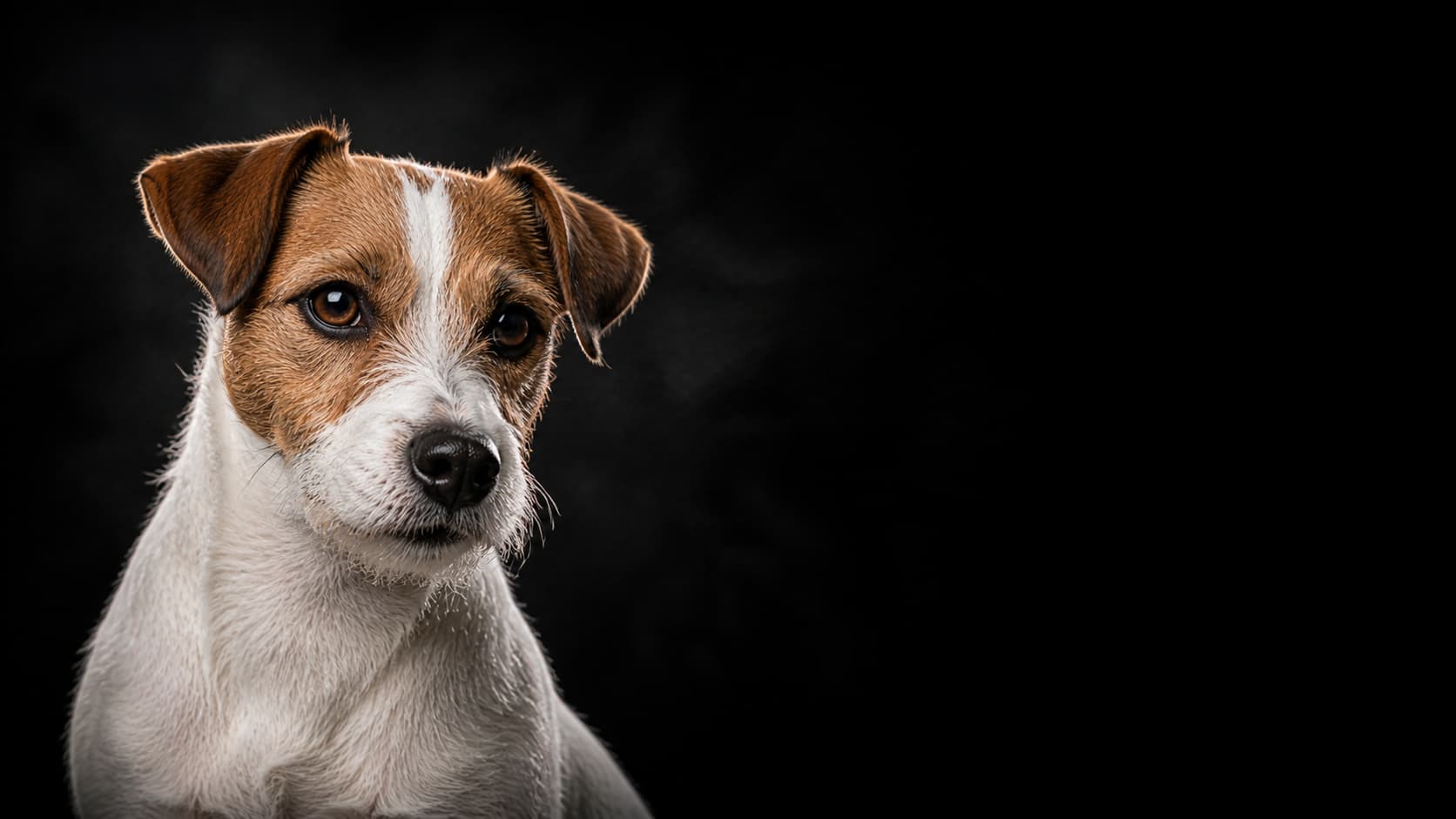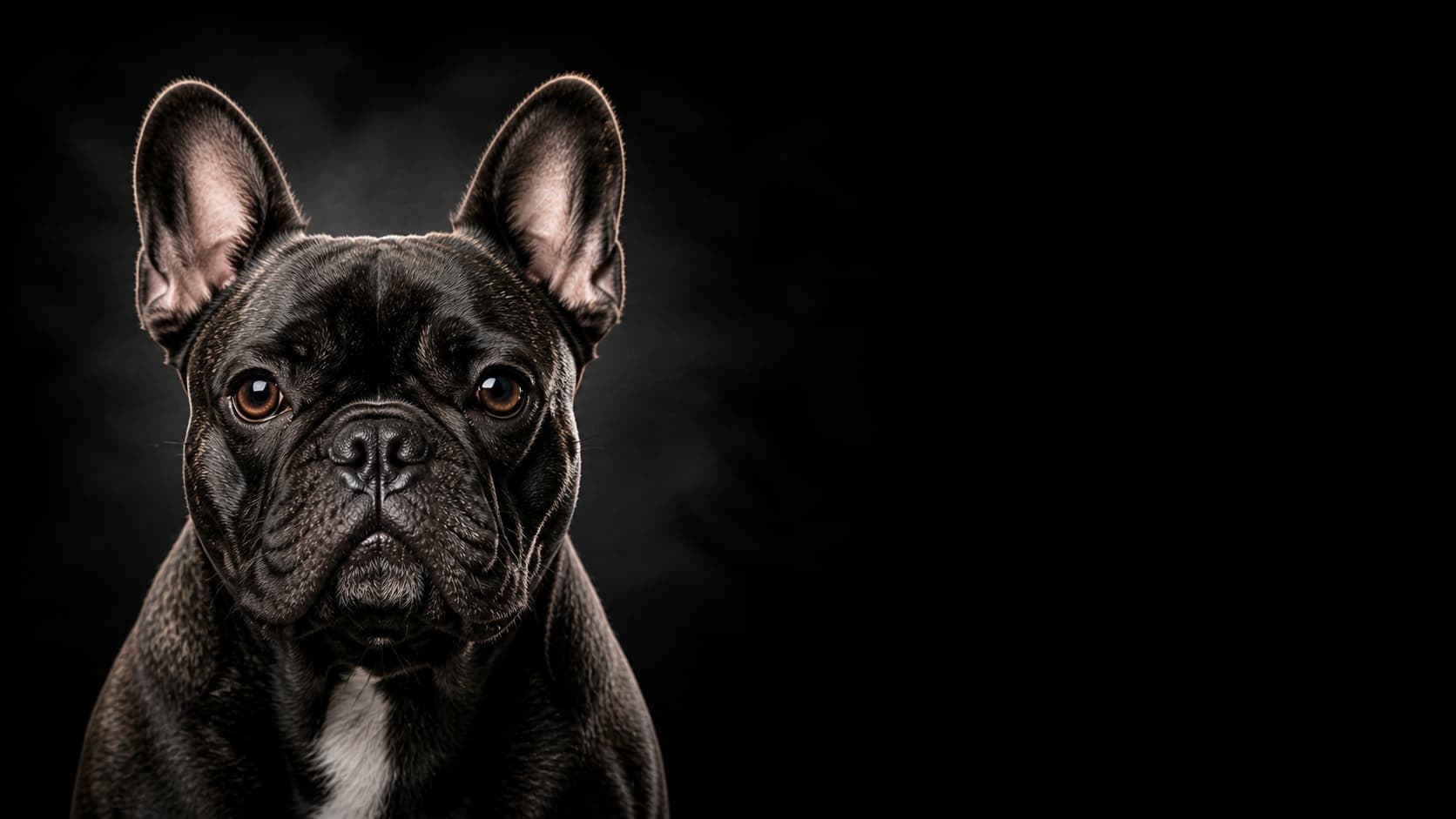
What Is This Group
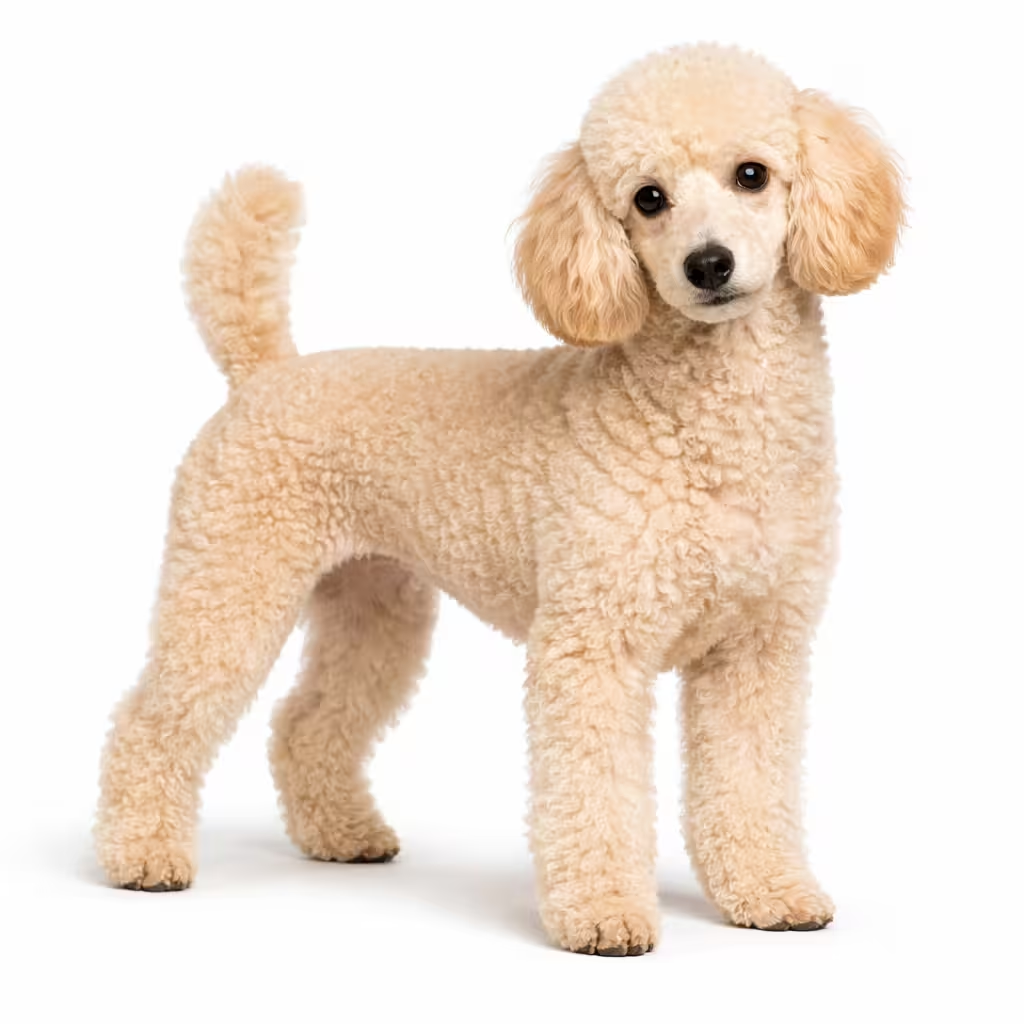
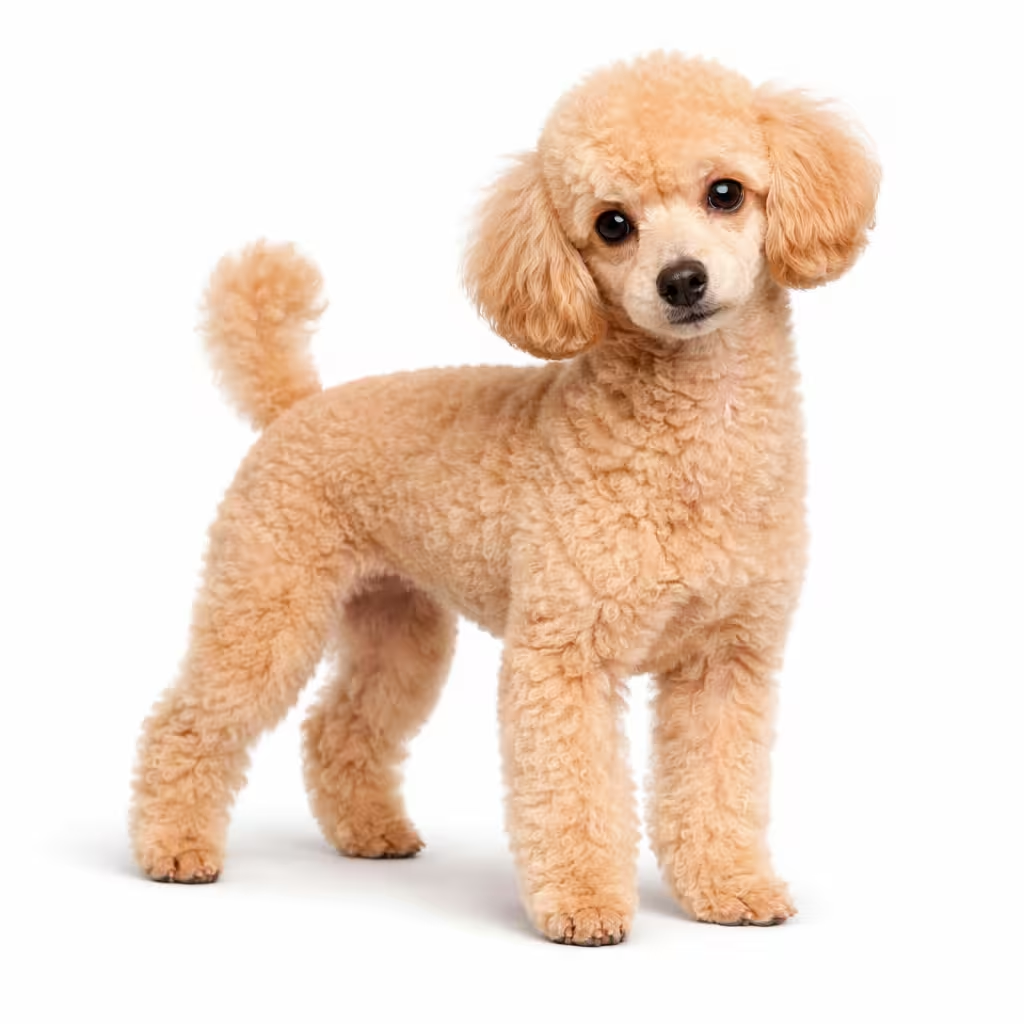
The AKC Non-Sporting Group includes a wide variety of dog breeds that don’t neatly fit into the other major breed categories. Unlike sporting, working, or herding dogs, these breeds were not all developed for a single type of job.
Instead, the Non-Sporting Group is a diverse collection of breeds with different histories, personalities, and physical traits. Some were bred as companion animals, while others once had working roles that no longer fit modern breed classifications.
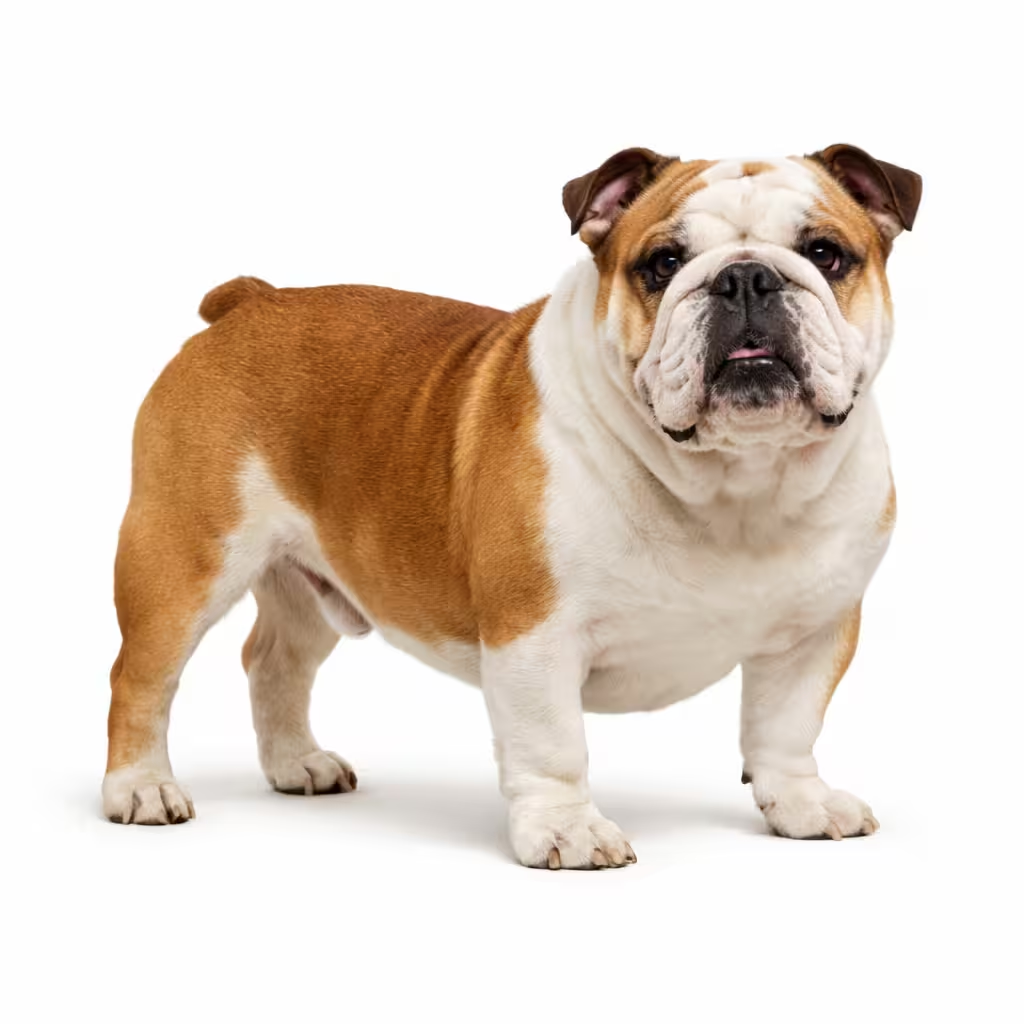
Because of this variety, the group includes dogs that range from small companion breeds to larger, more independent personalities. Well-known examples include the Dalmatian, Bulldog, Bichon Frise, and Chow Chow.
For potential dog owners, the Non-Sporting Group offers a broad range of temperaments and lifestyles, making it a good place to explore if you’re still discovering what type of dog might fit your home.
History
The Non-Sporting Group was created by the American Kennel Club to categorize breeds that did not fall into the other established working categories such as sporting, herding, or hound dogs.
Many of the breeds in this group originally had very different historical purposes. For example, Dalmatians once worked as carriage dogs, Bulldogs were historically involved in bull-baiting before becoming companion animals, and Chow Chows served as guard dogs and hunters in ancient China.
Over time, as the roles of dogs in society changed, these breeds became more commonly kept as companions. Because their historical purposes varied widely, the AKC placed them together in a group that reflects their diverse backgrounds rather than a shared working function.
Today, the Non-Sporting Group is known for its variety of appearances and personalities, ranging from playful and social to calm and independent.
Training & Lifestyle Tips
Because this group is so diverse, do your research on the specific breed — their needs vary widely. Some are incredibly independent. Others need constant company. Some shed heavily or need specialty grooming; others are low-maintenance.
The throughline is this: these breeds don’t just blend in. They’re often loyal, expressive, and a little weird — in the best way. Many owners fall in love with their breed’s quirks and never look back.
Are They For You?
This group might be a great fit if:
- ✅ You want a breed that breaks the mold
- ✅ You’re open to learning a breed’s unique quirks
- ✅ You like dogs with history or distinct personalities
- ✅ You’re looking beyond common companion breeds
- ❌ You want a group with predictable traits or purpose
- ❌ You expect every dog to be outgoing, cuddly, or easygoing
Traits
- Broad range of sizes and personalities
- Often bred for companionship, show, or utility
- Many are independent and quirky
- Can be stubborn or aloof with strangers
- Frequently have unique grooming or care needs
- Not easily generalized — each breed is distinct
Where Non-Working Dogs Want to Live
Because the Non-Sporting Group includes many different types of breeds, the ideal home can vary widely depending on the specific dog.
However, many dogs in this group were bred primarily as companions, which means they often thrive in homes where they can be closely involved in daily life with their owners.
A good home for many Non-Sporting breeds often includes:
-
Owners looking for a companion-focused dog
-
Families who want a dog that enjoys spending time indoors
-
Moderate daily activity rather than intense exercise
-
Consistent routines and regular interaction
Some breeds in this group are very social and affectionate, while others can be more independent or reserved. Because of this variety, it’s important for potential owners to research individual breeds carefully to find one that matches their lifestyle.
Group Comparison
The Non-Sporting Group differs from other AKC breed groups because it is not defined by a specific working purpose.
Compared with Sporting Dogs, which were bred to assist hunters, Non-Sporting breeds generally do not share a single functional role.
Compared with Working Dogs, which were developed for tasks such as guarding, pulling, or rescue work, many Non-Sporting breeds are more focused on companionship.
Compared with Toy Dogs, which are typically very small companion breeds, Non-Sporting dogs vary widely in size and temperament.
Because the group includes such a broad range of breeds, the best way to understand it is by exploring individual breed personalities rather than expecting a single shared set of traits.