Toy Poodle
AKA — Teacup Poodle
Tiny, Smart, and Devoted
A pocket-sized companion with big intelligence and an even bigger attachment to its people.
Breed traits at a glance
Moderate exercise needs—short walks, indoor play, and training games are usually enough. Mental stimulation is essential.
Highly trainable and eager to please. They respond quickly to positive reinforcement and enjoy learning tricks and routines.
Can be great with gentle children and other pets. Due to their small size, supervision is important to prevent accidental injury.
High grooming needs similar to other Poodles. Frequent brushing and regular professional grooming required.
Can be vocal and prone to alert barking, especially if anxious or under-stimulated.
Low-allergen coat, but not fully hypoallergenic.
Temperament & Personality
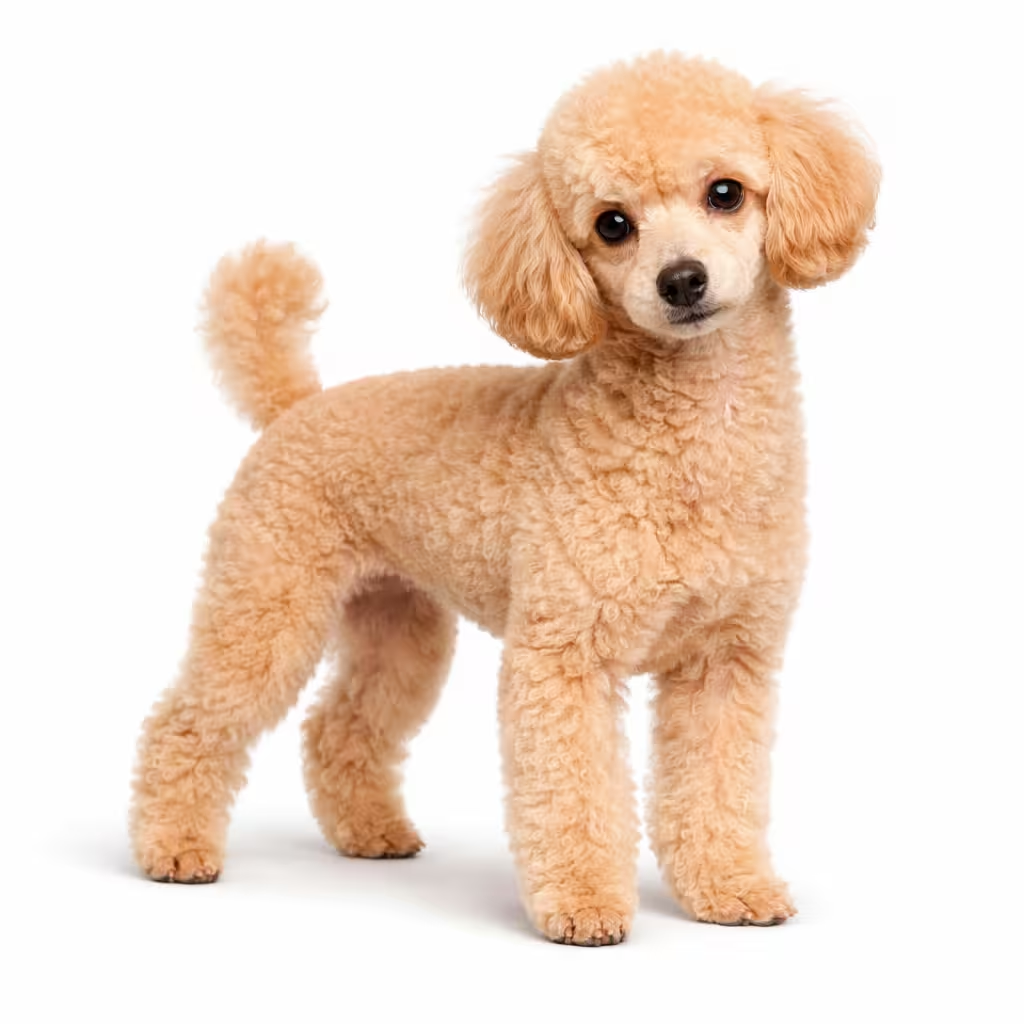
The Toy Poodle is the smallest of the Poodle varieties, bred down from larger water retrievers into a compact companion dog prized for its intelligence and charm.
Typically under 10 inches tall and weighing 4–6 pounds, Toy Poodles are lively, alert, and deeply people-oriented. Despite their size, they retain the intelligence and trainability of their larger counterparts and often live 14–18 years.
What It's Like To Own One
Living with a Toy Poodle is an intensely close experience. These dogs bond deeply—often choosing a favorite person and staying closely connected throughout the day. They’re alert, aware, and highly responsive, picking up on your moods and routines with surprising precision.
They don’t need large spaces or intense physical activity, but they do need attention. Without it, they can become anxious or overly vocal. With it, they become affectionate, playful, and incredibly engaging companions who seem to exist in sync with your life.
They bring a lighter, more intimate energy to dog ownership. Less chaos, more closeness. But that closeness comes with responsibility—you’re not just their owner, you’re their world.
I am:Ariana Grande
Small, polished, expressive, and deeply connected to her audience—mirrors the Toy Poodle’s presence.
Fictional Owners
Characters who'd thrive with this breed.
Carrie Bradshaw
Stylish, social, and thrives on close relationships and emotional expression.
Elle Woods
Bright, charming, and underestimated—but highly capable and driven.
Jess Day
Quirky, warm, and thrives on emotional connection and presence.
Dating Profile
Hi, I’m small, smart, and very into you. I like being close—really close—and I’ll happily follow you from room to room just to stay connected.
I’m playful, affectionate, and always paying attention. I don’t need a big life—I just need to be part of yours.
If you want a loyal little shadow with personality, I’m right here.
Where They Want To Live
Toy Poodles thrive in smaller living spaces—apartments, condos, or homes without yards. They don’t need space as much as they need proximity to their people.
They do best in homes where someone is around often. Long periods alone can lead to anxiety.
They’re ideal for people who want a constant companion rather than an independent dog.
Things To Know
- Can develop separation anxiety
- Needs gentle handling due to size
- Grooming is ongoing
- Prone to barking if anxious
- Thrives on companionship
Gear Guide
- Soft harness (avoid neck strain)
- Grooming tools and appointments
- Interactive toys
- Cozy bedding
- Training treats
Health Watch: Common Breed Risks
May be prone to:
- Dental disease
- Luxating patella
- Tracheal collapse
- Eye issues
Coat, Shedding & Grooming Needs
- Curly, dense coat
- Low shedding
- Wide range of colors
Diet & Nutrition Needs
- Small-breed high-quality diet
- Frequent small meals
- Monitor dental health
- Avoid overfeeding
Health Care Tips
- Prioritize dental care
- Maintain grooming schedule
- Provide consistent companionship
- Avoid rough handling
This breed is especially well-suited for:
Related Breeds

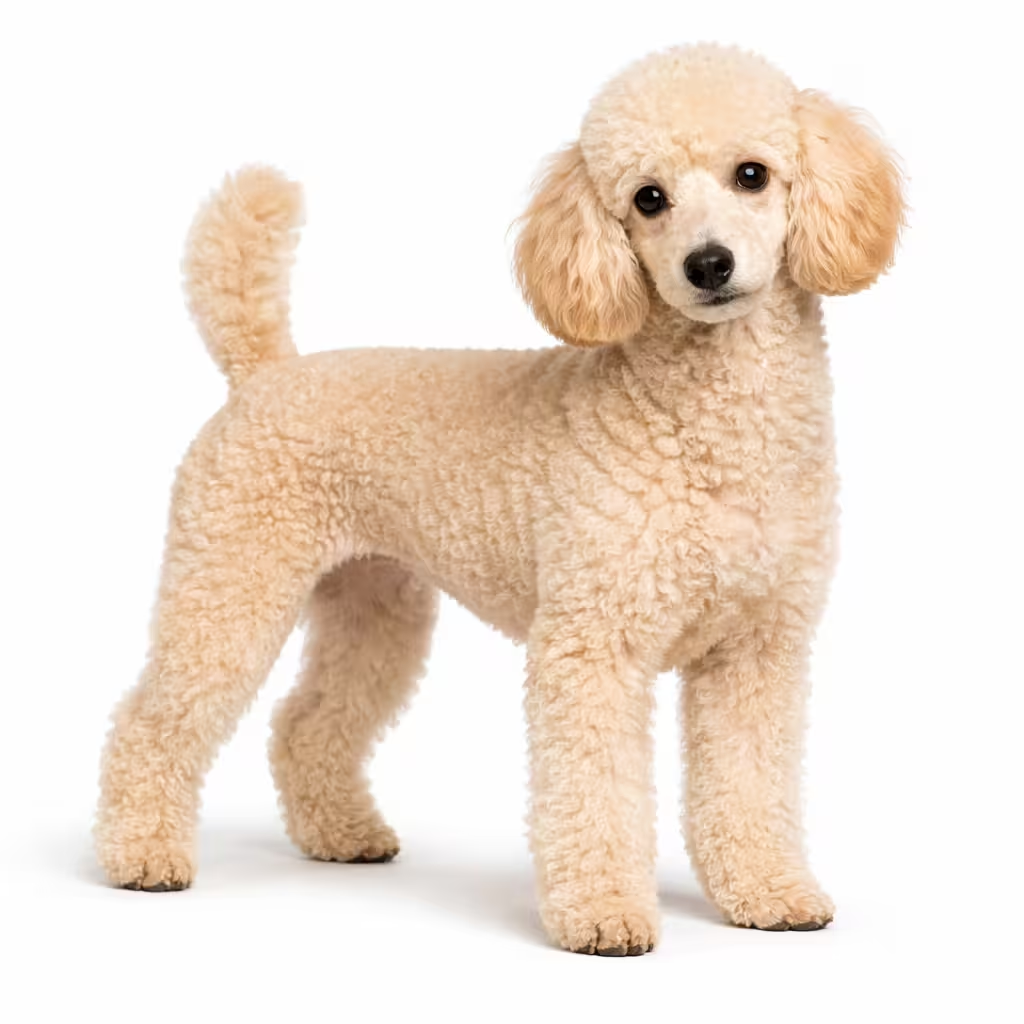
The Toy Poodle is a deeply devoted companion that thrives on closeness, routine, and connection. They may be small, but their emotional presence is huge. For the right owner, they offer a uniquely intimate bond that feels less like ownership—and more like partnership.