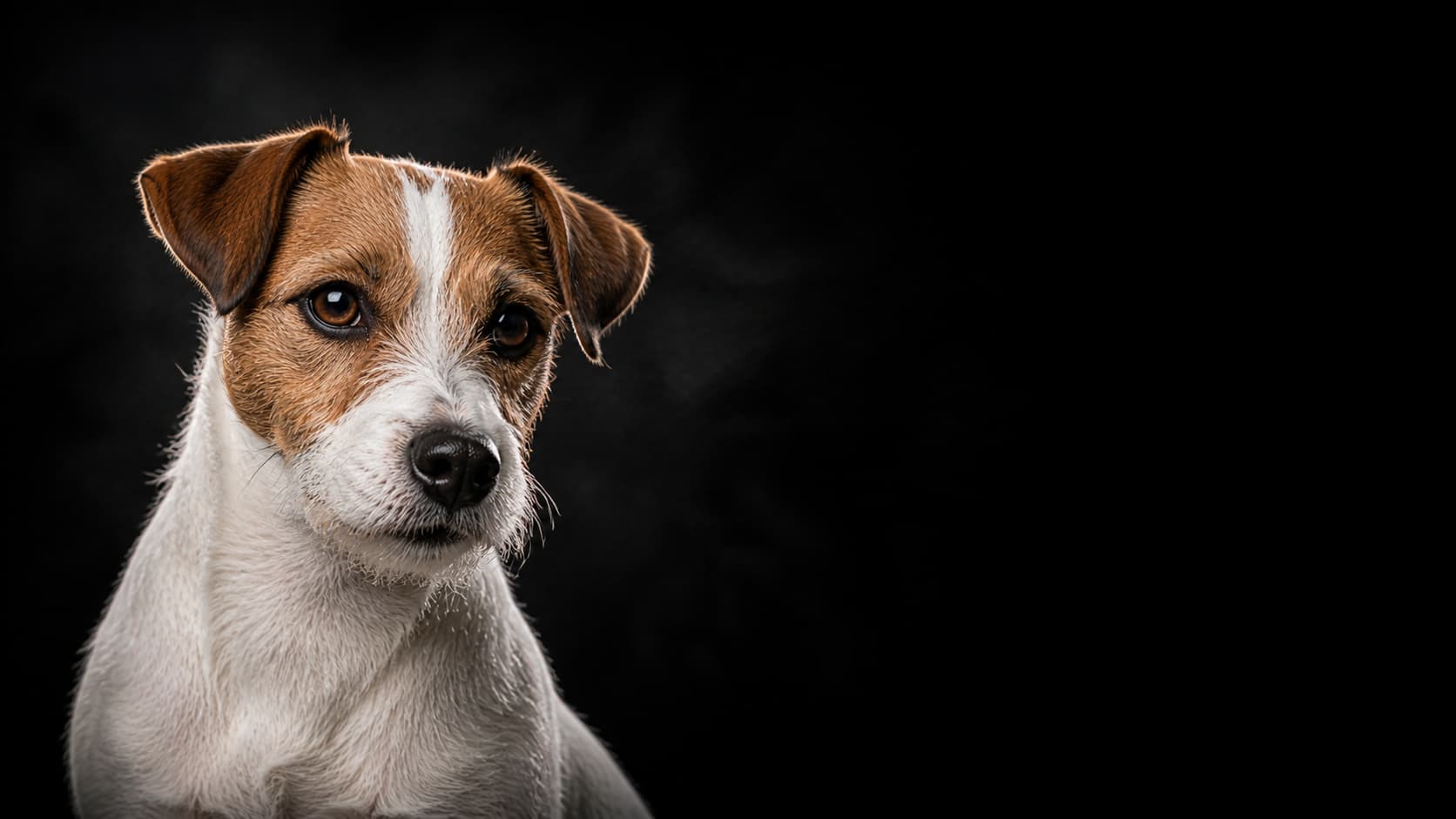
Siberian Husky
AKA — Husky
Escape Artist Extraordinaire
Beautiful, bold, and built for action—Huskies are as dramatic as they are athletic.

Breed traits at a glance
They need serious daily activity: running, hiking, pulling, playing. Idle Huskies are mischievous Huskies.
Can be trained—but only if they feel like it. High intelligence, low desire to obey.
Great with kids and dogs, but too much for fragile households. Loves the pack life.
Thick double coat needs brushing several times a week, especially during shedding season.
Very vocal. Expect howls, talk-backs, and woo-woo monologues.
Definitely not hypoallergenic. Massive seasonal shedding.
Temperament & Personality
The Siberian Husky is a medium-sized working dog that hails from the harsh arctic climate of eastern Siberia. Bred by the Chukchi people as sled dogs and endurance companions, Huskies were imported to Alaska during the Nome Gold Rush and quickly gained popularity across North America. Though originally prized for their sled-pulling ability, today they’re better known as striking family pets and show dogs.
Part of the Spitz family, Siberian Huskies are instantly recognizable for their thick double coat, erect triangular ears, bushy sickle tail, and distinctive facial markings. Their wolf-like appearance often draws attention—but their temperament is typically far gentler than it looks.
Friendly, curious, and outgoing, Huskies are pack-oriented dogs who enjoy being around people and other dogs. They’re not ideal guard dogs, as they’re usually welcoming rather than territorial. True to their roots, they are energetic, intelligent, and independent—which can sometimes translate to mischief or selective listening. Without sufficient exercise and mental stimulation, they’re prone to escaping or destructive behavior.
Huskies thrive with consistent training, secure containment, and lots of physical activity. They are generally good with children when properly socialized, but supervision is always advised.
Similar Breeds: Alaskan Malamute, Samoyed, American Eskimo Dog
What It's Like To Own One
Living with a Husky is like cohabitating with a free-spirited athlete who moonlights as a stand-up comic. They’re energetic, endlessly expressive, and known for their signature vocalizations that fall somewhere between a wolf howl and a teenager arguing about curfew. They’ll test your patience, your boundaries—and your ability to keep snacks unattended. But they’ll also make you laugh every single day.
These dogs are built to move. Long walks? Just the warm-up. Off-leash hikes? Only if your recall is saint-level. They’re independent thinkers with mischievous streaks and a built-in need for adventure. Left unchallenged, they’ll find ways to self-entertain—like digging to the center of your yard or redecorating your living room with couch fluff.
But beneath the chaos is a loyal, loving soul who thrives on connection and shared experience. They’re not Velcro dogs, but they are pack dogs—so being part of your life, your routine, and your fun is everything. If you want a dog with spirit, strength, and just enough drama to keep things interesting, the Husky will steal your heart—and probably your sandwich.
I am:Jason Momoa
Rugged, wild, and shockingly sweet
Fictional Owners
Characters who'd thrive with this breed.
Chewbacca
Loyal, loud, and full of unexpected charm
Ygritte (Game of Thrones)
Fierce, stunning, and thrives in snow
Flynn Rider
Too clever, too charming, and always on the move
Dating Profile
Swipe right if you’re into loud conversations, long jogs, and world-class side-eye. I’m independent, energetic, and a little dramatic—but never boring. I thrive in cold weather, love to run, and will absolutely try to talk back. Bonus points if you own snowshoes, have a fenced yard, and don’t mind a little shedding (okay, a lot). Let’s howl at the moon and never skip leg day.
Where They Want To Live
Huskies are built for space, speed, and snow. They thrive in homes with large fenced yards, active owners, and plenty of outlets for their boundless energy. Think rural or suburban settings with trails nearby—not apartment living and definitely not couch confinement. Without room to roam, they’ll turn your walls into springboards and your furniture into jungle gyms.
They’re happiest where it’s cool—literally. Huskies love cold climates and will nap outside in the snow if you let them. Heat and humidity? Not their vibe. They need owners who are ready for daily adventures and don’t mind a little noise, fur, or creative escape attempts.
In short: give them space, structure, and someone who embraces the mayhem, and you’ll have one happy Husky.
Things To Know
- Can’t be off-leash without recall training
- Will test boundaries—literally and figuratively
- High grooming needs during shed season
- Can thrive in a pack of dogs
- Needs mental and physical challenge daily
Gear Guide
- Deshedding rake or undercoat brush
- GPS collar or secure harness
- Frozen treat molds (for enrichment)
- High-durability toys
- Tether tug or sled-style gear
Health Watch: Common Breed Risks
Siberian Huskies are generally healthy, but there are a few breed-specific issues to watch:
- Hip dysplasia
- Progressive retinal atrophy (PRA)
- Juvenile cataracts
- Zinc-responsive dermatosis (a skin condition)
- Hypothyroidism
- Some congenital eye conditions
Coat, Shedding & Grooming Needs
That dramatic coat isn’t just for looks—it’s part of the Husky legacy:
- Dense double coat: soft insulating undercoat + coarse topcoat
- Common colors: black & white, red & white, gray, agouti, sable, pure white
- Heavy seasonal shedding—expect a major “blowout” twice a year
- Weekly brushing (daily during shedding season) helps control the fluff
- Bathing is rarely needed—Huskies are famously clean
Diet & Nutrition Needs
Fueling a Husky means balancing energy needs with lean muscle maintenance:
- Feed a high-quality, active-dog formula rich in protein and omega-3s
- Split into 2 meals daily to avoid bloating and overfeeding
- Avoid high-fat or low-quality fillers—they can upset sensitive stomachs
- Huskies can be “self-regulating” eaters but still need supervision
- Monitor weight—too thin is common with high-output Huskies
Health Care Tips
Keeping your Husky healthy means working with their instincts—not against them:
- Prioritize exercise—bored Huskies = destructive Huskies
- Brush often, especially during coat blowouts
- Use harnesses for walks—they’re pullers, and collars strain the neck
- Protect against heatstroke—Huskies don’t do well in warm climates
- Regular vet checkups for joints and eyes are essential
This breed is especially well-suited for:
Related Breeds


Siberian Huskies are striking, spirited, and built for action. With their ice-blue eyes, athletic build, and legendary vocal stylings, they’re showstoppers by nature—and mischief-makers by design. This isn’t a breed for beginners or anyone seeking a chill, low-effort companion. But for the right person? A Husky offers endless adventure, deep loyalty, and laughter you never saw coming. They’re not easy, but they’re unforgettable. Give them structure, space, and a little snow, and they’ll give you a bond that runs wild and deep.