No dog breed is reliably hypoallergenic.
Poodles, Bichon Frises, Maltese, Portuguese Water Dogs, and other lower-shedding breeds are often marketed that way. They still produce the proteins that trigger dog allergies, and their breed label cannot tell you whether someone in your household will tolerate living with that individual dog.
That does not make breed irrelevant. Coat care, shedding, dog size, energy, and grooming needs still affect daily life. It means you should choose from this list for compatibility, not as a medical guarantee.
What people are actually allergic to
Dog allergy is a reaction to proteins found in dander, saliva, and urine. Hair can carry those proteins, along with pollen and mold from outside, but the hair itself is not the whole problem.
The American Academy of Allergy, Asthma & Immunology states that there are no truly hypoallergenic dog or cat breeds. It also notes that hair length and the amount of shedding do not determine whether a breed is allergen-free.
Two household studies help explain why the label fails:
- A 2011 study of household dust found no classification of supposedly hypoallergenic dogs that produced lower home dog-allergen levels than other dogs.
- A 2012 study of Can f 1 allergen found no evidence for classifying particular breeds as hypoallergenic. Differences among individual dogs within a breed were larger than many differences between breeds.
Lower shedding may mean less loose hair to clean. It does not establish reliably lower allergen production or guaranteed tolerance.
Before you choose a dog
1. Confirm what is causing the reaction
Sneezing around a dog does not prove dog allergen is the only trigger. Pollen, mold, dust mites, and other allergens can travel on a coat or be present in the same home.
An allergist can review the symptoms, test when appropriate, and explain whether asthma or a history of severe reactions makes dog ownership unsafe. Do this before bringing home a puppy, not after the household is attached.
2. Spend time with the individual dog
Breed averages cannot predict one person’s reaction to one dog. Arrange repeated indoor visits with the actual dog when possible. A brief outdoor meeting without symptoms is useful information, but it does not reproduce continuous exposure in a home.
If a breeder, shelter, or rescue offers a trial or foster arrangement, agree on the terms and return plan in advance. Do not assume a dog can simply be rehomed without consequences if symptoms become unmanageable.
3. Decide what management is realistic
An exposure-reduction plan may include keeping the dog out of the allergic person’s bedroom, using a properly sized HEPA air cleaner, vacuuming and cleaning soft surfaces, washing dog bedding, and having a non-allergic person handle grooming when possible.
Those steps can reduce exposure, but they do not turn a dog into a hypoallergenic dog. Medication or allergen immunotherapy belongs in a plan made with an allergist.
4. Match the dog’s real needs too
A lower-shedding coat often means more brushing, clipping, and professional grooming. It does not mean low maintenance. Energy, barking, size, time alone, training needs, and cost still matter.
Lower-shedding breeds some households consider
These are not ranked by allergen production. They are common lower-shedding options worth evaluating for overall fit and individual tolerance.
Poodle
Elegance Meets Brains

Learn about the Poodle →
Bichon Frise
Cushion with a Personality

Learn about the Bichon Frise →
Maltese
Luxury in a Lap Dog

Learn about the Maltese →
Portuguese Water Dog
Curly-Coated Athlete

Learn about the Portuguese Water Dog →
Miniature Schnauzer
Small Beard, Big Boss Energy

Learn about the Miniature Schnauzer →
Yorkshire Terrier
Tiny Dog, Major Drama

Learn about the Yorkshire Terrier →
Havanese
Fluffy, Funny, and Full of Love

Learn about the Havanese →
Lagotto Romagnolo
The Nose Knows
Learn about the Lagotto Romagnolo →
Poodle
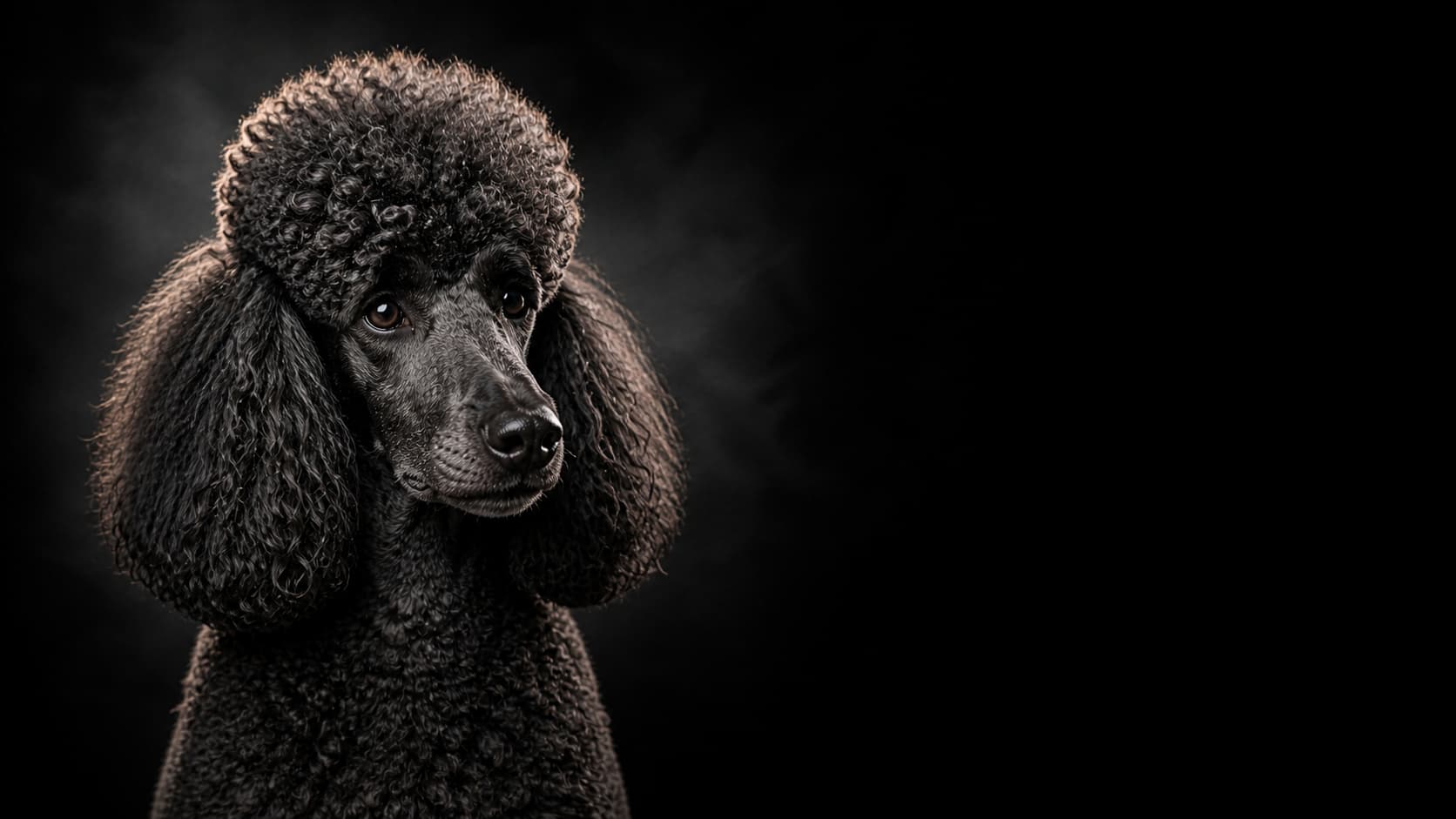
Poodles have a dense, curly coat and tend to leave less loose hair around the home than many double-coated breeds. Toy, Miniature, and Standard Poodles differ substantially in size and exercise needs. All require regular brushing and clipping to prevent mats.
Choose a Poodle because its size, energy, temperament, and grooming commitment fit your home. Do not choose one because a curly coat guarantees an allergy-free house.
Bichon Frise
Bichons are small companion dogs with a coat that holds loose hair until it is brushed or clipped. Their grooming schedule is demanding, and many do not enjoy being left alone for long stretches.
The lower visible shedding may make cleaning easier. It does not prove a Bichon produces less allergen than another dog.
Maltese
Maltese have a continuously growing coat and tend to shed less visibly. Many owners use a shorter clip because a full coat needs frequent brushing and detangling.
Their small size changes handling, dental-care, and household-safety needs. It does not guarantee lower allergen exposure.
Portuguese Water Dog
Portuguese Water Dogs have curly or wavy coats that shed less visibly than many retriever coats. They are active working dogs, not low-key allergy accessories. They need exercise, training, and regular coat maintenance.
Spend time with the individual dog and assess the energy commitment before deciding.
Miniature Schnauzer
Miniature Schnauzers have a wiry coat that can be clipped or hand-stripped. They tend to leave less hair around the home, but beard care, brushing, and regular grooming are part of the deal.
They can also be alert and vocal. Coat type is only one part of the match.
Yorkshire Terrier
Yorkies have a fine, continuously growing coat and relatively little visible shedding. A long coat needs daily work; a short clip still needs regular maintenance.
Their small size and bold temperament deserve as much attention as the coat.
Havanese
Havanese are companion dogs with long coats that can be kept full or clipped shorter. They tend to shed less visibly but can mat without regular brushing.
They often want substantial time with their people, so schedule fit matters alongside grooming.
Lagotto Romagnolo
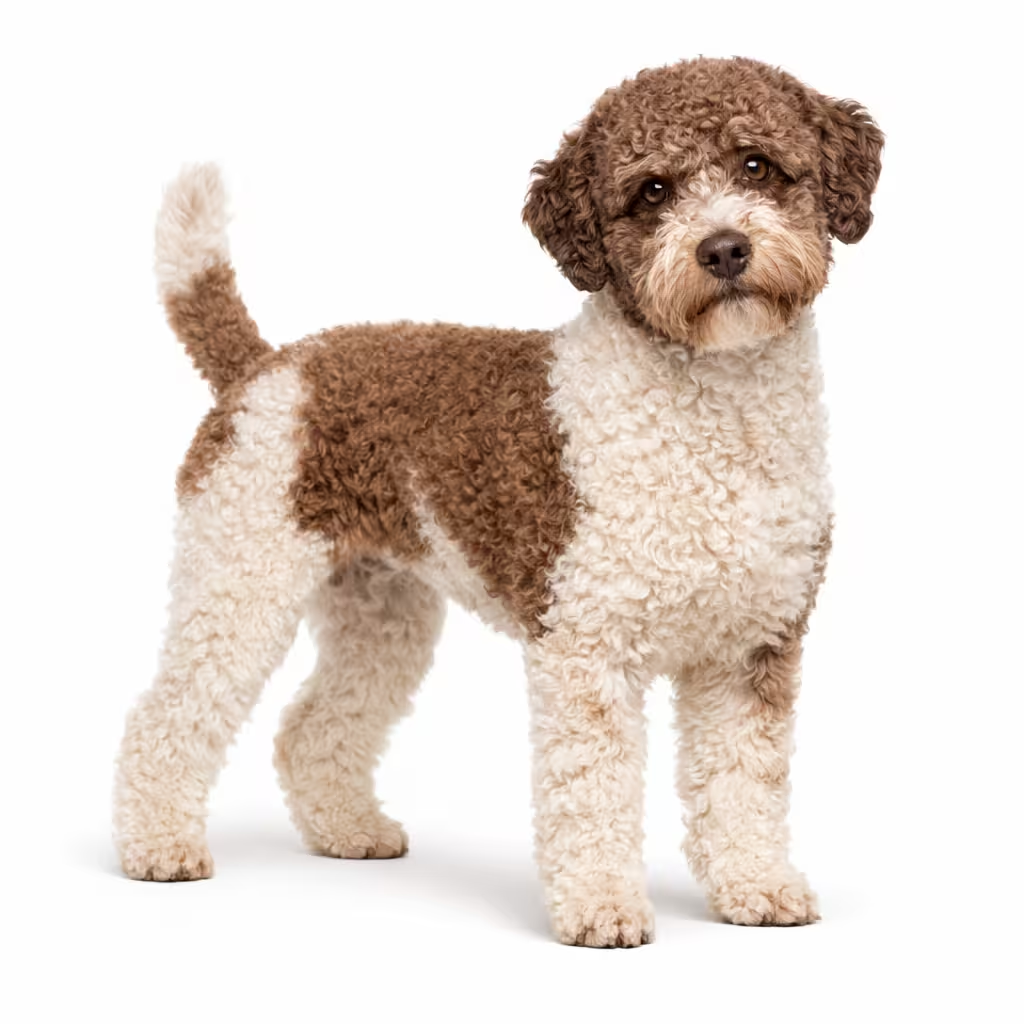
Lagotti have dense, curly coats and a strong working background. They need grooming, exercise, training, and activities that use their nose and brain.
They are a lower-shedding option, not a medically safer allergy category.
What about heavy-shedding breeds?
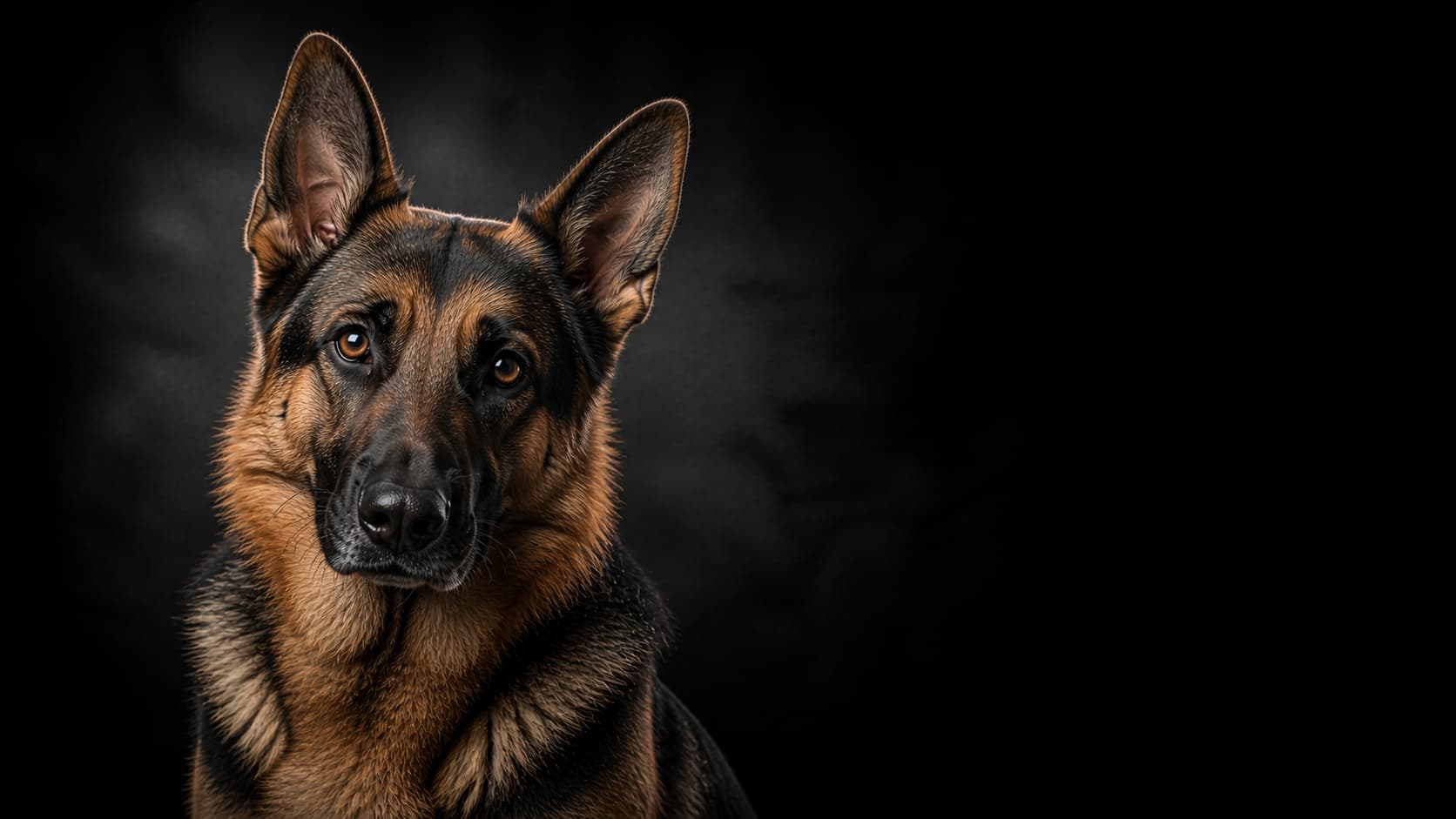
Labrador Retrievers, Golden Retrievers, German Shepherd Dogs, and Siberian Huskies can leave much more loose hair in the home, especially during seasonal coat changes. That can increase the cleaning burden and move allergen-carrying hair around the house.
It still does not support a rule that every heavy-shedding dog will cause a worse reaction than every lower-shedding dog. Individual dogs and individual immune responses vary.
If your household is considering one of these breeds, use the same process: medical guidance, repeated time with the individual dog, a realistic management plan, and an honest assessment of what happens if symptoms cannot be controlled.
Bottom line
There is no best hypoallergenic breed because there is no reliably hypoallergenic breed.
Lower-shedding dogs may be easier to clean up after, and some allergic people report tolerating some individual dogs better than others. Neither point is a guarantee. Confirm the allergy, evaluate the individual dog, plan the household controls, and choose for the dog’s whole-life fit.
If you’re still comparing lifestyle needs, see best dogs for apartments and best dogs for first-time owners.